Fashion
A Magazine With a Taste for Provocation (and a Cult Following)
Wherever it goes, Heavy Traffic draws a stylish, contrarian crowd.
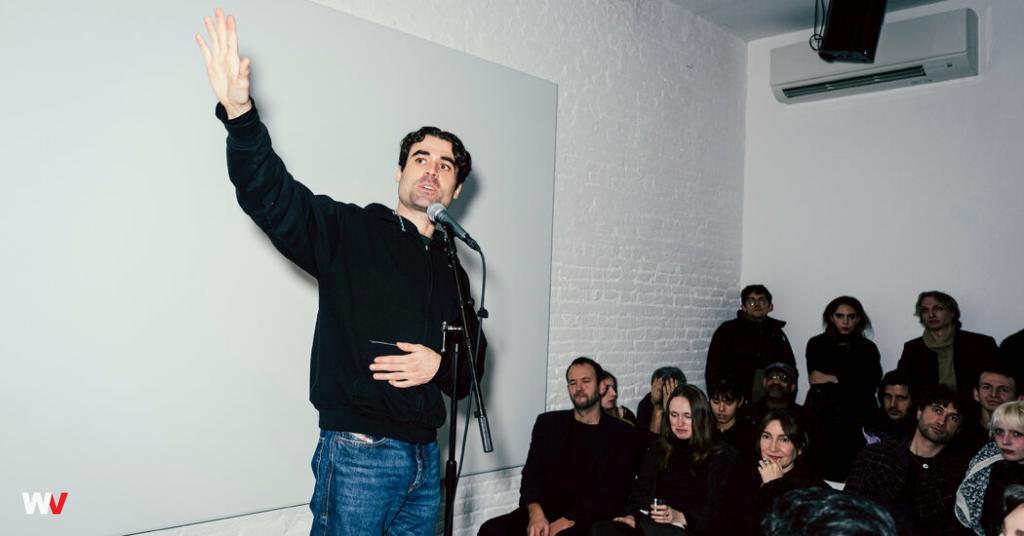
“I don’t think anyone past the pickle shop is getting in,” said Patrick McGraw, gesturing to Sweet Pickle Books, a few doors down from the start of a line that wound around the block outside Earth, an art space in the Lower East Side of Manhattan.
The shivering, chain-smoking, Issey Miyake-clad 20-somethings waited patiently on a Friday in January to get into a reading hosted by Heavy Traffic, a downtown literary publication founded in 2020 by Mr. McGraw, 32.
“People treat readings like going to a gallery opening, screening or any other cultural event that brings tight-knit creative communities together,” said Sam Falb, a 24-year-old New York-based writer waiting in line in the icy night.
The evening’s lineup included the filmmaker Amalia Ulman, 36, the Substacker Sam Kriss, 34, and the author Sheila Heti, 48. When the door opened, a stampede of consciously disheveled young writers temporarily lost their cool, scrambling for a chair, or at least for the opportunity to sit on the floor and vape at the feet of their favorite thinkers. When the room reached its just-under-200-person capacity, many of the remaining would-be attendees lingered outside in the hopes that a space or two would free up at some point. Twice they tried to jam the door open to listen in from the sidewalk.
If Heavy Traffic is a literary publication, it’s not quite a magazine. “Magazines have a theme,” Mr. McGraw said. “They’re also advertiser-bound.” Heavy Traffic had no such obligations, he added, though, in previous issues, the magazine had run advertisements for small businesses, including one for Mr. McGraw’s brother’s calligraphy services. Until recently, the magazine’s costs were funded by Mr. McGraw’s writing work and financial flexibility — “I’d just not eat or not pay rent and print the magazine instead.” Now, he says, they have a couple of patrons.