Fashion
A Double Homage for James Baldwin’s 100th. Will It Ever Be Enough?
At the New York Public Library, two exhibitions add little to a very public writer’s mystique. But our critic dived deeper.
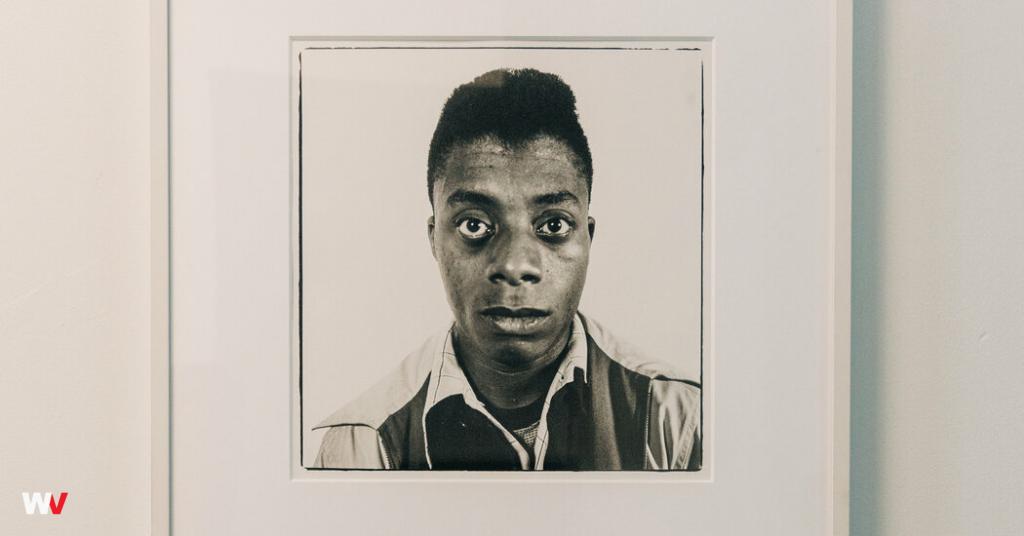
Among the 20 artifacts at the 42nd Street Public Library commemorating the centenary of James Baldwin, the novelist, essayist and playwright who died in 1987, two typewritten sheets seem startlingly site-specific. They suggest that had Baldwin given in to his childhood fears, America’s great watchman of race and alienation might never had stepped foot into the building at all.
In one of these pages, from a draft of “Go Tell It on the Mountain” (1953) — his debut novel recounting the Harlem boyhood he spent torn between literature and the Black church — Baldwin describes a journey down Fifth Avenue, past “the stone lions that guarded the Library, a building filled with books and unimaginably vast, and which he had never yet dared to enter.” As if to crank up his intimidation, Baldwin added, in pen, the phrase “great main building of the Public” before the word “Library,” which is how it reads today.
The other is from “Letter From a Region in My Mind,” his roiling 1962 essay on racism, reprinted in his breakout book, “The Fire Next Time” (1963). “I was thirteen,” this page reads, “and crossing Fifth Avenue on my way to the Forty-second street library, and the cop in the middle of avenue muttered, as I passed him, Why don’t you niggers stay uptown where you belong?”
Bigotry notwithstanding, Baldwin became a fixture at the main library on 42nd Street in adolescence and a poster child of self-won erudition. Which makes a proper homecoming of the 42nd Street display and its companion exhibition of 45 artifacts at the Schomburg Center for Research in Black Culture, a division of the Public Library in Harlem that Baldwin said he had exhausted in his teenage years.