

Fashion
A Ballet Layer Cake From an Imperial Russian Mix
Alexei Ratmansky’s “Paquita” brings Marius Petipa’s 19th-century style to New York City Ballet through two lenses: his own and George Balanchine’s.
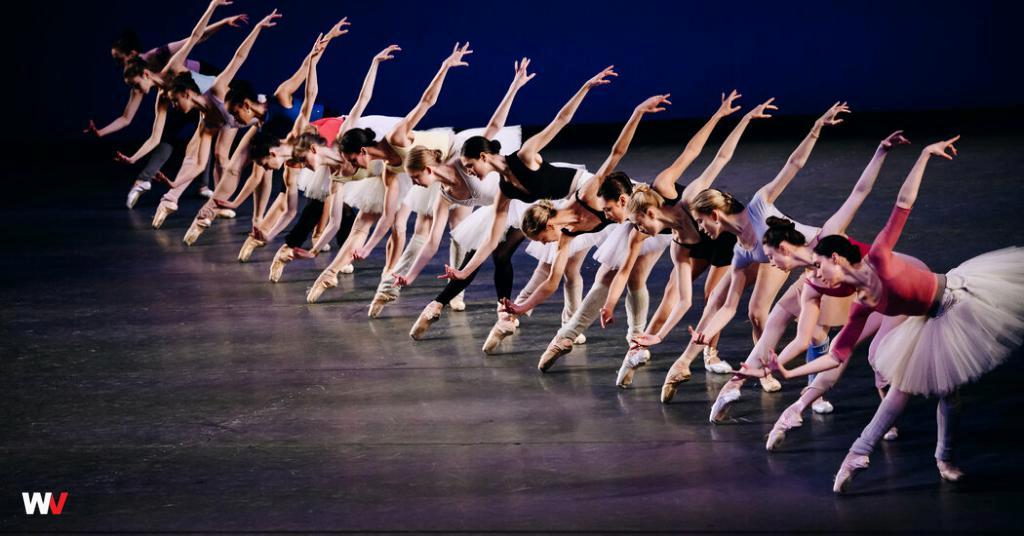
New York City Ballet dancers trickled onstage in mismatched sweatshirts, down vests, practice tutus and leg warmers at the start of a rehearsal for Alexei Ratmansky’s “Paquita.” They disappeared, then reappeared in sleek leotards and tights, crisscrossing the stage to mazurka-like music. Soon the whole coalesced in a great diagonal stretching downstage to upstage, headed by a haughty ballerina and her cavalier. Quirky New Yorkers had found the majesty of imperial St. Petersburg.
“Paquita,” which has itsdebut on Feb. 6, offers a sort of echo-chamber that allows 19th-century Russian classical ballet to coexist — to resonate — with today’s City Ballet dancers.
Ratmansky has paired two pieces of Marius Petipa’s 1881 ballet classic “Paquita”: George Balanchine’s 1951 restaging of a first-actPas de Trois, followed by Ratmansky’s own restaging of thegrandiose last act (the Grand Pas Classique). So: Petipa through the lens of Balanchine, then Petipa through the lens of Ratmansky, both further refracted through these young dancers and their ways of inhabiting the steps.
“It’s like a collider, where opposing forces come together,” Ratmansky, 57, said in an interview. He offered another metaphor. Through working on Petipa, he said: “I started to understand this Japanese cake. Crêpes over crepes, this texture of ballet.” All the layers colliding in a new taste.
Both Ratmansky and Balanchine — New York City Ballet’s founding choreographer — grew up with the heritage of Petipa, the Franco-Russian genius who worked at the Imperial Ballet in St. Petersburg from 1847 to 1903. Both trained in something like the style from Petipa’s era, though for Ratmansky it was Sovietized; both absorbed versions of the Petipa classics (“The Sleeping Beauty,” “Swan Lake,” “Raymonda”) into their bodies. And both left the Russian sphere as young dancer-choreographers, then went on to make their art more relevant — even revelatory — for new times and new places.