Fashion
4 Takeaways From ‘The Menendez Brothers,’ on Netflix
The documentary, based on extensive new interviews with Lyle and Erik Menendez, adds fresh nuance and details about their parents’ murders and the aftermath.
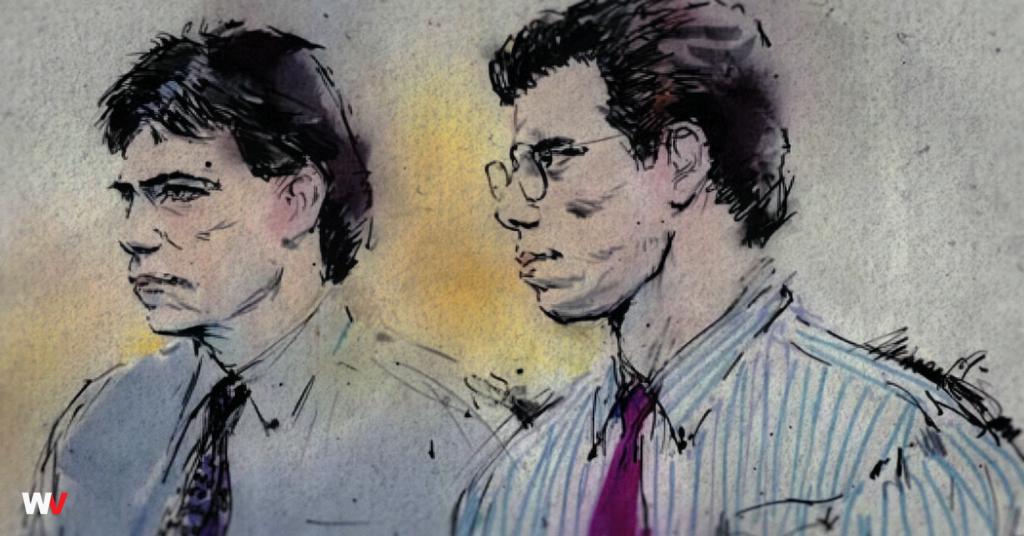
The true crime drama “Monsters: The Lyle and Erik Menendez Story” has been one of the most viewed series on Netflix since its Sept. 19 debut, driving enormous interest once again in the Menendez brothers, who in 1989 murdered their parents with shotguns inside the family’s Beverly Hills mansion.
On Monday, the same streaming platform released “The Menendez Brothers,” a feature-length documentary by Alejandro Hartmann, which draws from 20 hours of new phone interviews with the brothers from prison. It also includes on-camera interviews with surviving family members, journalists, the first prosecuting attorney and several jurors from the two criminal trials of the 1990s.
After a sensational trial that ended in hung juries in 1994 (the brothers had separate juries), Lyle and Erik were retried and convicted in 1996, sentenced to life in prison without the possibility of parole. For the second trial, Judge Stanley Weisberg had barred the defense from using most of the testimony supporting its argument that the brothers had killed their parents out of fear, following years of sexual, emotional and physical abuse.
The case has become something of a cause celebre in recent years, with celebrities and young social media users advocating the brothers’ release, particularly as new evidence has emerged appearing to support the brothers’ abuse claims.
At the same time, a flurry of books, documentaries and scripted series have taken a more sympathetic view toward the brothers than they originally received; this latest documentary comes just days after George Gascón, the Los Angeles district attorney, announced his office was revisiting the case, saying, “We have a moral and ethical obligation to review what is being presented to us.”
Much of the documentary retreads ground from earlier treatments and relies heavily on archival footage, particularly from the first trial, which was broadcast on Court TV. Still, several new, less-familiar and long-forgotten details stand out. Here’s a roundup.