Entertainment
Think Gender Is Messy? Wait Until You Read These Stories.
In “Stag Dance,” Torrey Peters probes the complicated, evolving realities of queerness and trans life.
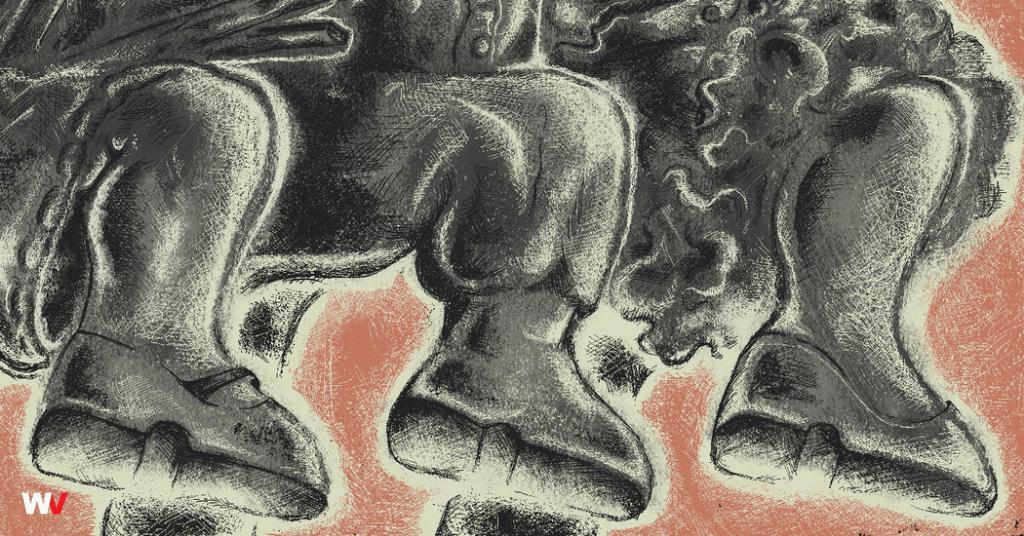
STAG DANCE: A Novel and Stories, by Torrey Peters
In an 1817 letter to his brothers, the poet John Keats defined the concept of negative capability as “when a man is capable of being in uncertainties, mysteries, doubts, without any irritable reaching after fact and reason.” This is a quintessential trait of a great writer, who must know everything but create characters who know nothing, or only the wrong things, or different things on different pages. In her discomforting new collection, “Stag Dance,” Torrey Peters excels at this particular kind of unknowing. Hopscotching through genres and decades, Peters, across three short stories and a novella, summons up characters whose ideas about sex, gender and sexuality exist beyond (or before, or to the side of) our current orthodoxies.
Set in the early 1900s, the titular novella explores what happens when a restless winter camp of “timber pirates” decides to throw a gender-bending soiree. Any man can declare himself a “skooch” for the night and be courted by the others, but when the biggest, ugliest lumberjack, Babe Bunyan, steps up first, it upsets the camp’s surprisingly fragile hierarchy of manhood. Babe Bunyan knows the other men expect (and even want) Lisen, the youngest, slightest, most feminine axman to take the role of skooch.
Bunyan’s own desires are unclear even to him. He wants to play the skooch, and he wants the men to court him, but more than anything, Bunyan wants Lisen to recognize that they are the same in some essential way that he can’t define. Plaintively, he wonders, “How do you beg when you don’t even know the words to beg with?” When this desire for sisterhood gets thwarted, the stag dance becomes a violent competition. “We were rivals,” Bunyan reflects of his new dynamic with Lisen. That, in a way, is his dream achieved. Because “to be rivals is to be something the same.”
The other stories in “Stag Dance”run a gamut of painful settings, from future dystopia, to girls’ weekend gone wrong, to aborted boarding school romance. In her acknowledgments, Peters says that she wrote each tale “to puzzle out, through genre, the inconvenient aspects of my never-ending transition — otherwise known as ongoing trans life — aspects that didn’t seem to accord with slogans, ‘good’ politics, or the currently available language.” Strip away the (sometimes clunky) antiquarian diction, and it’s not hard to see a parallel between Babe Bunyan and a modern queer person just coming out, fascinated, infuriated and a little in love with someone one step further on their gender journey.
Peters excels at plumbing the murky hearts of queer people. Her characters betray one another and themselves, and occasionally end the world in their desire for revenge. They embrace feelings they’re not supposed to have. Frequently they’re tormented by external manifestations of aspects of themselves that they have yet to admit, define or find a way to love.