Entertainment
The Wild, Wild West Makes for an Oddly Tame Yarn
Tom Clavin’s “Bandit Heaven” takes us down the “Outlaw Trail” with Butch Cassidy and the Sundance Kid.
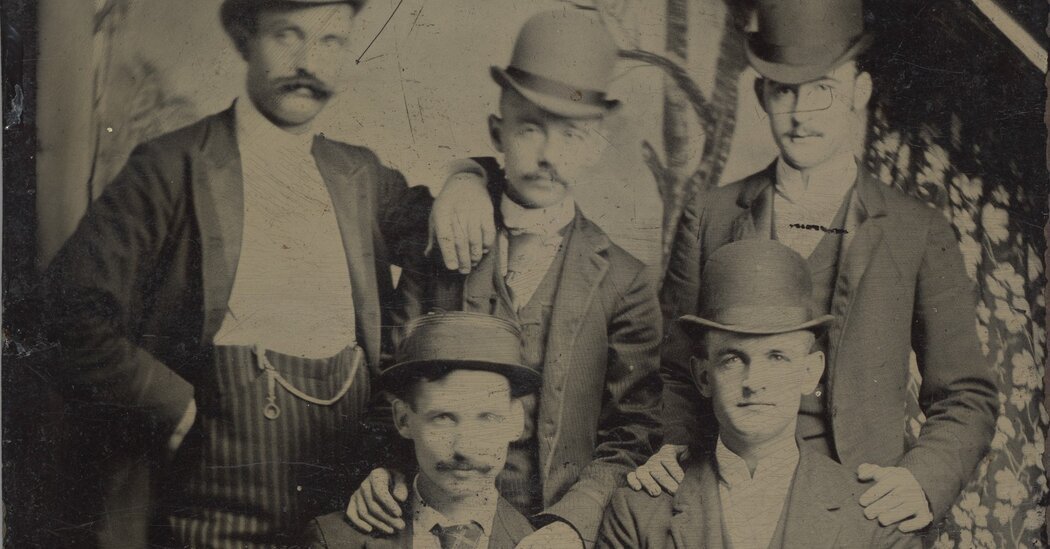
BANDIT HEAVEN: The Hole-in-the-Wall Gangs and the Final Chapter of the Wild West, by Tom Clavin
Around 2 a.m. on June 2, 1899, the engineer of an eastbound train outside of Wilcox, Wyo., spotted someone waving a red lantern. As he braked, a masked man with a gun crawled into the cab from behind and said, “Now, you son of a bitch, do what I say, or I will put light through you!”
The holdup man was Butch Cassidy. His lantern-waving accomplice was Harry Longabaugh, known as the Sundance Kid. After dynamiting their way into a pair of safes, the two outlaws and four other members of the so-called Wild Bunch disappeared into the night with $50,000 in cash and jewelry.
This was the third and possibly the most lucrative of the five heists attributed to Cassidy’s gang between 1896 and 1901. It was also the beginning of their end. A Wyoming sheriff was killed in an ensuing shootout, making Cassidy (born Robert LeRoy Parker) America’s most wanted criminal. The outraged Union Pacific railroad boss, E.H. Harriman, dispatched Pinkerton detectives and bounty hunters to scour the West by horse and train.
The 1969 film “Butch Cassidy and the Sundance Kid” depicted Harriman’s superposse as enforcers of a future order from which outlaws could run but not hide. Telecommunications and interstate law enforcement had, by the end of the century, improved dramatically, and for the outlaws who populate Tom Clavin’s terminally unfocused “Bandit Heaven,” the party was over.
Banditry, Clavin writes, had gone “from romantic to risky.” That’s putting it glibly, but the arm of the law was indeed shorter during the 19th century, when a so-called Outlaw Trail ran from Montana to Mexico, dotted with hide-outs with names like Hole-in-the-Wall and Robbers Roost. The most celestial of these naturally walled-off strongholds was Brown’s Park, a 13,000-acre river valley in northwest Colorado that is now a federal wildlife refuge.