
Entertainment
The Toxic Sludge That Ate Tennessee
The 2008 coal ash spill was among the biggest industrial disasters in U.S. history. In a new book, Jared Sullivan recounts the accident, the lawsuits and the lasting damage.
VALLEY SO LOW: One Lawyer’s Fight for Justice in the Wake of America’s Great Coal Catastrophe, by Jared Sullivan
A concise summary of Jared Sullivan’s “Valley So Low” is offered halfway through the book by its hero, Jim Scott, a plain-talking, suspender-wearing, Skittles-addicted plaintiff’s lawyer: “They had a toxic tub of goop, and it blew up.”
“They” are the Tennessee Valley Authority, the nation’s largest public utility. The “goop” is coal ash, the residual soot after coal is burned for electricity. Soot might not sound so bad (one pictures a burned-out campfire). But this coal ash contained arsenic, iron oxide, aluminum oxide, selenium, cadmium, boron and thallium, what Scott called “a Long Island iced tea of poison.” As for the “tub” …
The tub began as a spring-fed swimming hole. It stood near the site of the T.V.A.’s Kingston Fossil Plant, which, when it was completed in 1954, was the world’s largest coal-fired power station. Every day the plant burned enough coal to power 700,000 homes and produce a thousand tons of ash. The T.V.A. dumped much of that ash into the swimming hole. Over decades there rose from that pond, like a zombie crawling from a tomb, an ashy colossus. It broadened into a mountain range of coal slurry, sprawling across 84 acres — until, on the morning of Dec. 22, 2008, it collapsed.
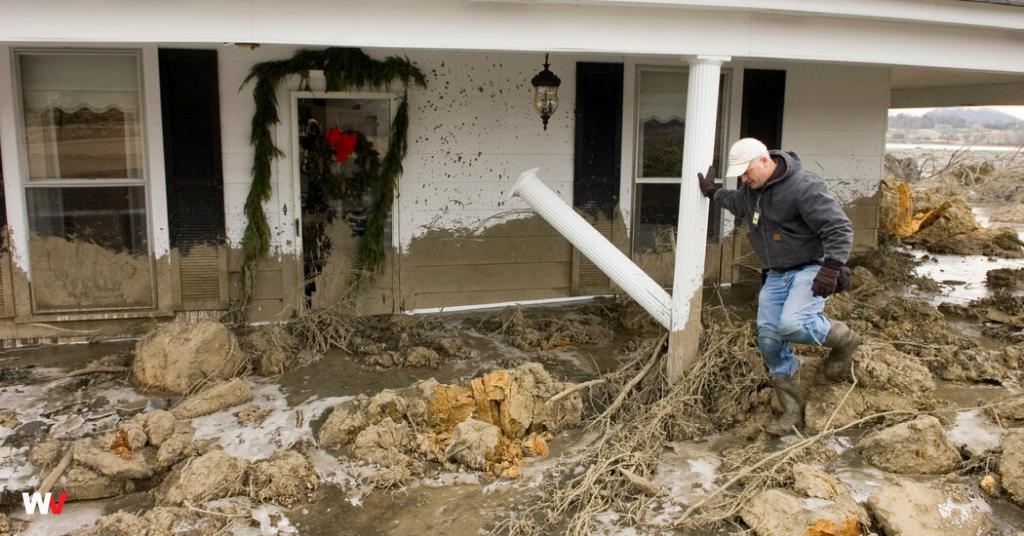
A 50-foot-high tsunami of poisonous sludge buried docks and homes and soccer fields beneath mounds of coal ash as high as six feet. By volume, it was the largest industrial disaster in U.S. history, a hundred times the scale of the Exxon Valdez oil spill. But for years most of its victims believed themselves unharmed.
Anyone with a passing knowledge of Chernobyl, Deepwater Horizon or the World Trade Center cleanup will not be surprised by what happened next. The T.V.A. announced that exposure to the ash did not pose a “significant” health concern, but nevertheless barred journalists, lawyers, environmental groups and scientists from visiting the site. Workers were warned, under threat of termination, against wearing dust masks and hazmat suits, lest local residents grow alarmed.
One safety officer told his charges that they could eat a pound of ash a day and “be fine.” Incriminating air-monitoring data was ignored, manipulated or tossed out. Before long the workers, and the wives and mothers who cleaned their clothing, began feeling dizzy, having nosebleeds and coughing up “strange black jelly.” Later they discovered that the Kingston ash was not merely toxic. It was radioactive.