Entertainment
The Critic Who Turned the Hate Read Into High Art
“Authority,” a new collection of reviews and essays by the Pulitzer Prize-winning critic Andrea Long Chu, showcases her smarts, humor and contempt.
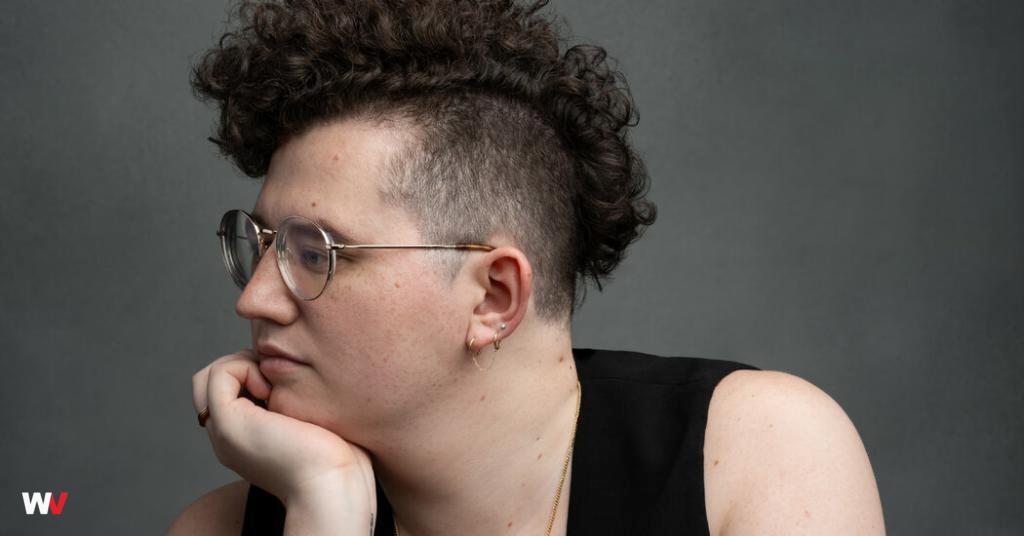
AUTHORITY: Essays, by Andrea Long Chu
What a strange book “Authority,” by Andrea Long Chu, is — brilliant, blind.
The book critic for New Yorkmagazine and winner of the 2023 Pulitzer Prize for criticism, Chu has achieved a rare ascendancy in the literary world over the past several years, in equal parts for her clever, lethal takedowns of various authors and for her long essays on gender and sexuality, written from her perspective as a trans woman.
Beyond her obvious intelligence, I think there are two reasons for her success. The first is that, in the presence of an academic — Chu calls herself a scholar in “recovery” — the New York publishing class, otherwise not generally short on pride, begins to feel a little like a country mouse. Much of her style, which seems so novel in the pages of New York, is in fact close to a straight pastiche of the (transcendent) work of the Marxist critic Fredric Jameson and his descendants: flying dialectically from idea to idea without pause for explanation, and — confoundingly for a reader used to gentler handling — carrying the force of absolute conviction along with the simultaneous certainty that no conviction is valid.
The second reason is that people love a hate read. “Viciousness is the attack dog who has not eaten in three days,” Chu writes in “Authority,” her new collection of essays and criticism. “Cruelty is the person calmly holding the leash. These days I aim for cruelty.”
This may be disconcerting, but it is not ambiguous. And when you’re on the same side as Chu it is exhilarating. “Authority” gathers together three kinds of writing: reviews, personal essays and reflections on the art of criticism, most of them previously published in New York, n+1 and elsewhere. Of the three, the reviews are by far the best, the site of Chu’s magic. They contain moments of insight so accurate, and often funny, too — one of her outstanding strengths as a critic — that for me now they seem permanently etched onto those writers.
On Bret Easton Ellis whining about millennial wokeness in “White,” his polemical book of cultural commentary: “Having never grown up himself, he clings to the hope someone else will grow up in his place.”
On Hanya Yanagihara: “‘A Little Life’is an unapologetic lifestyle novel.”
On Andrew Lloyd Webber: “His characters declaimed their emotions directly into the audience, as if by T-shirt cannon.”