Entertainment
The Birds’ Guide to Surviving Winter
Their feathers, roosting behaviors and adaptability help birds survive the cold, “nature’s proving ground.”
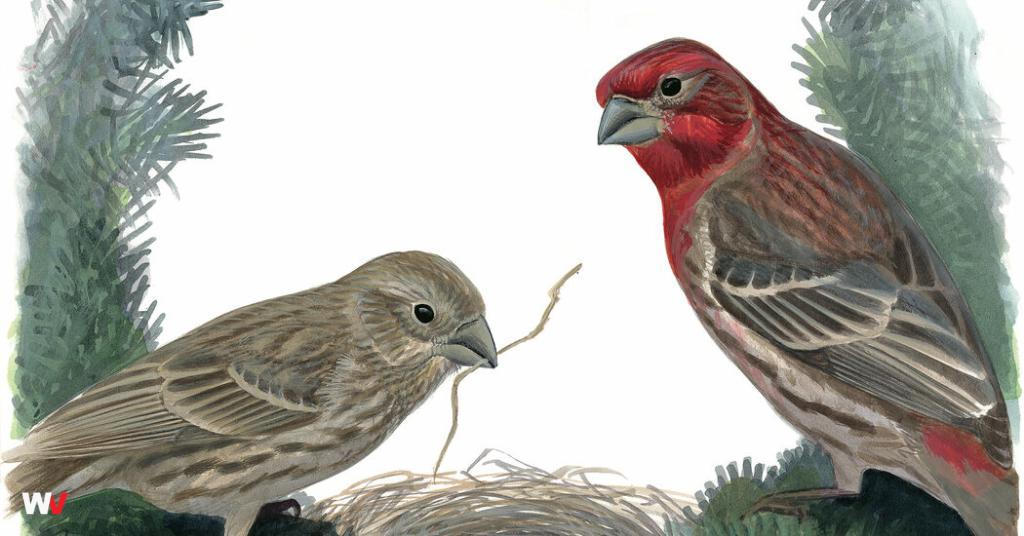
Winter mornings begin at David Sibley’s Deerfield, Mass., household as they do at my similarly rural place 90-something miles to the west and south, across the New York line: with filling the bird feeders.
“Baby, it’s cold outside” takes on a new meaning when many in your customer base weigh barely as much as a few pieces of pocket change.
The sunflower hearts — shelled sunflower seeds — that we both offer are happily devoured, but they are not the key ingredient in the birds’ survival. What the American goldfinches, white-breasted nuthatches, house finches and the rest cannot live without in these coldest months is a suite of physical and behavioral survival strategies hard-earned over millions of years of evolution.
These tactics, and the birds themselves, are the subject of “The Courage of Birds: And the Often Surprising Ways They Survive Winter,” the recent book by Pete Dunne, a prolific author about all things bird and former director of the Cape May Bird Observatory in New Jersey. It was illustrated by Mr. Sibley, a naturalist, author and illustrator perhaps best known for “The Sibley Guide to Birds.”
“Welcome to winter, nature’s proving ground,” Mr. Dunne writes, “where there is no prize for second place during these four months. Across the Northern Hemisphere, it’s ‘survivor take all.’”
Peak birding time this is not.