

Entertainment
Take Me Into the Ballgame
Baseball is America’s game, one of our most enduring and exuberant inventions. The speed and finesse of its stars have inspired generations of young people. In a pair of new books set about a century ago, baseball is thrillingly played by two Black …
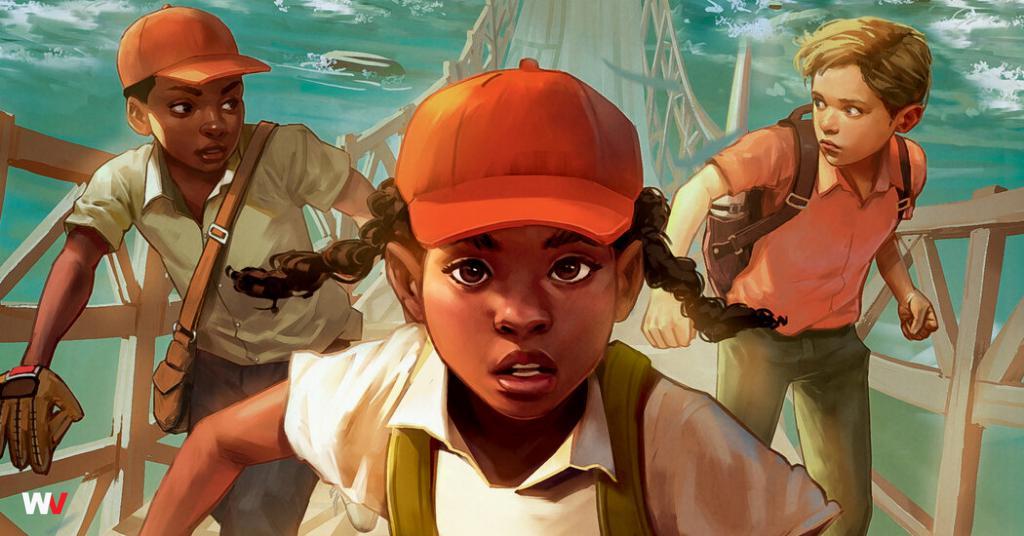
Baseball is America’s game, one of our most enduring and exuberant inventions. The speed and finesse of its stars have inspired generations of young people. In a pair of new books set about a century ago, baseball is thrillingly played by two Black girls pursuing their passion in the face of tremendous obstacles. Both “hold fast to dreams,” as Langston Hughes exhorted, as well as to the line drives they dive to catch.
In BLACK STAR (Little, Brown, 384 pp., $17.99, ages 10 and up), the second book in Kwame Alexander’s “The Door of No Return” trilogy, Charlene “Charley” Cuffey, a 12-year-old pitcher, pays close attention to her grandfather Nana Kofi. He was the 11-year-old protagonist of the first book in Alexander’s family saga, which begins in the Asante Kingdom in 1860 as young Kofi prepares for his initiation into manhood. That book ends with Kofi adrift in the Atlantic Ocean after his enslavers’ ship crashes and sinks in a storm. Charley learns her grandfather’s native language and absorbs his stories (some passed down from his own grandfather). Their lessons and sayings are in her mind as she makes her way in early-1920s rural Virginia.
The young narrators of Alexander’s game-changing verse novels, starting with 2014’s Newbery Medal-winning “The Crossover,” use a variety of poetic forms and rhythms to express themselves. Charley specializes in lovely run-on sentences. Some tumble forth revealing her curiosity, worries and ambition. Others, such as this one regarding her mother’s offer to teach her a new tune on the flute once she finishes her chores, amble along before reaching an apt conclusion, like a pitcher who takes her time, then winds up and throws a good slider:
At one point an elder tells Charley, “Know your history, child.” That’s a message Alexander transmits, too. His characters reference Black baseball greats like James “Cool Papa” Bell, Cyclone Joe Williams and a Black all-female team called the Philadelphia Dolly Vardens. He also incorporates two other historical figures, Mary McLeod Bethune and Marcus Garvey, into the narrative. At one of Bethune’s lectures, Charley stands up and asks, to the dismay of her mother, if girls are allowed to play baseball at the boarding school Bethune has established in Florida; Bethune seems open to the possibility. Garvey never appears in the book, but his Black Star Line (a ship for those who wish to return to Africa, and one of the inspirations for the book’s title) looms large in Nana Kofi’s hopes for the future; his packed suitcase waits by the kitchen door.
Full of animated Sunday dinners, church picnics and baseball practices, “Black Star” also explores the difficult balance between warning children about evil (white supremacists in this case) and preserving the innocence of childhood. As with its predecessor, the final section of the novel features impulsiveness, injustice and great peril — in Charley’s words, “Too much badness wrapped up in all the goodness that could be.” It also contains stunning bravery and Nana Kofi’s reassuring wisdom. With any luck, Charley will return in the third book, ready to address the concerns of her own tween relative.