

Entertainment
Supreme Court Curbs Scope of Environmental Reviews
The question for the justices was whether an agency had complied with a federal law by issuing a 3,600-page report on the impact of a proposed railway in Utah.
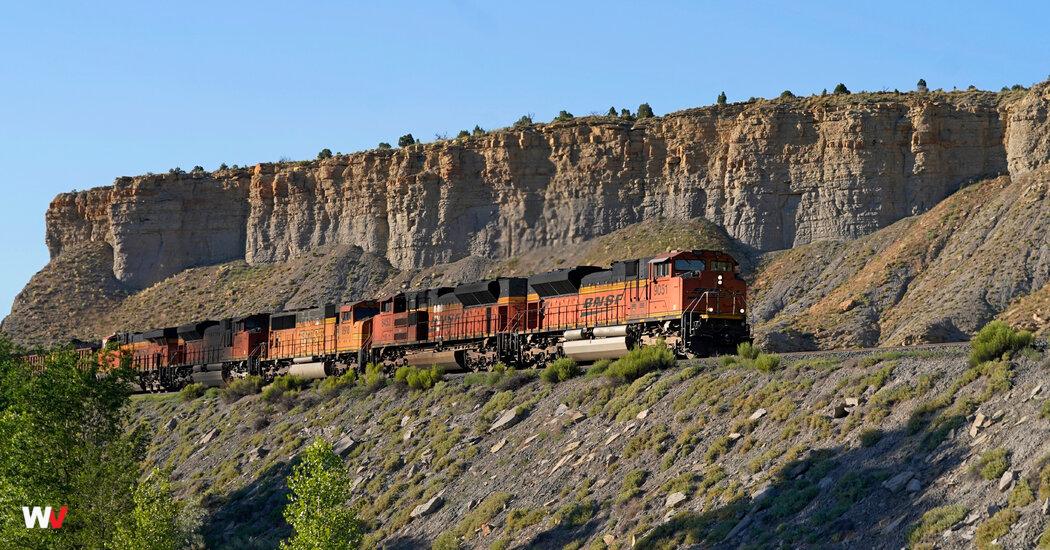
The Supreme Court unanimously ruled on Thursday that a federal agency had done enough to consider the environmental impact of a proposed 88-mile railway in Utah. The ruling limits the scope of environmental reviews required by federal law in all sorts of settings.
The proposed railway would connect oil fields in the Uinta Basin in northeast Utah to a national rail network that runs next to the Colorado River and then to refineries on the Gulf Coast.
Justice Brett M. Kavanaugh, writing for five justices, said that many lower courts had dictated that the environmental impact statements required by a 1970 federal law, the National Environmental Policy Act, be needlessly elaborate.
“The goal of the law,” he wrote, “is to inform agency decision making, not to paralyze it.”
The court’s three liberal members agreed with the decision’s bottom line but on narrower grounds. Justice Neil M. Gorsuch was recused.
Environmental groups reacted to the ruling with alarm.
“This disastrous decision to undermine our nation’s bedrock environmental law means our air and water will be more polluted, the climate and extinction crises will intensify and people will be less healthy,” Wendy Park, a lawyer with the Center for Biological Diversity, said in a statement.
The Surface Transportation Board, a federal agency that regulates rail transportation, approved the Utah project in 2021 after conducting a review that yielded a 3,600-page report. Environmental groups and a Colorado county sued, saying the report had not taken account of some ways in which the railway could do harm to the environment.