

Entertainment
Sex, Drugs and Clubbing Are a Means of Escape for This ‘Good Girl’
Aria Aber’s exciting debut novel finds the daughter of an Afghan refugee sidestepping disapproval and racism as she dives into Berlin’s nightworld.
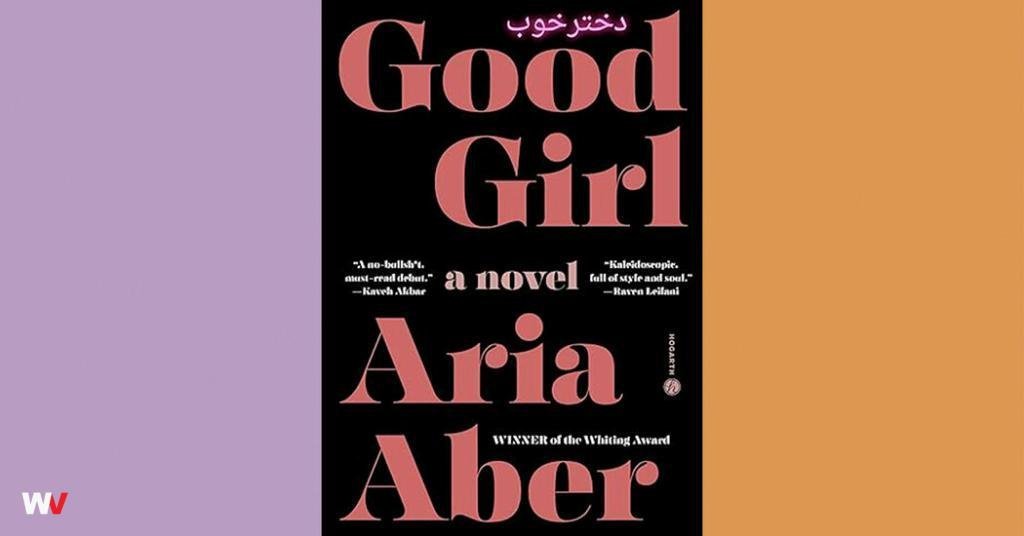
GOOD GIRL, by Aria Aber
Toward the start of “Good Girl,” Aria Aber’s exhilarating debut novel, 18-year-old Nila returns home to Berlin from an exclusive boarding school, enrolls in college, then pitches herself into “the glittery, destructive underworld” of the city. “I was ravaged by the hunger to ruin my life,” Nila says, and proceeds, with formidable energy, to try to fulfill her appetite for self-destruction.
Nila spends a sizable portion of her time high on drugs that include, in varying combinations, MDMA, ketamine, 2C-B, speed, acid, nitrous oxide and cocaine. She ends her long nights and days of partying by riding the bus home to the apartment she shares with her widowed father, Karim, who tends to greet her with severe disapproval: “You have no shame, no honor, nothing,” he says. “Aren’t you sick of yourself?”
Nila is, in fact, often deeply sick of herself, in part because of political, racial and socioeconomic forces exceeding her control — one afternoon, sobering up from a night out, she notes she’s afraid of being inside her own head — and therein lies much of the novel’s tension.
Her father, along with her reproving aunts and uncles, is a refugee from Afghanistan, and they all expect Nila to be a dokhtare khub, a good girl: “no boyfriends, no foul language, no sybaritic lifestyle.” To fail to be a dokhtare khub is to be condemned and perhaps shunned as a dokhtare kharab, “a broken, bad, ruined girl.”
Meanwhile, Nila lives in a building defaced by swastika graffiti,probably the handiwork of skinheads living down her hall.Women in head scarves have been stabbed on the streets. Buildings housing asylum seekers keep being set on fire, as do immigrants’ bakeries.





