Entertainment
Revolution Freed Their Country, and Upended Their Lives
In the novel “Theft,” by the recent Nobel laureate Abdulrazak Gurnah, three characters navigate messy relationships in 1980s Tanzania.
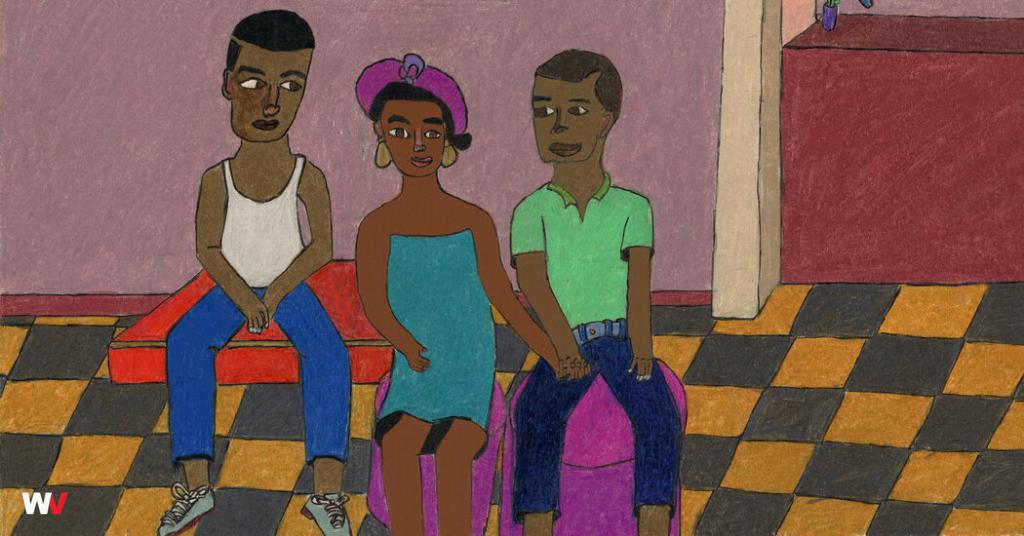
THEFT, by Abdulrazak Gurnah
In 1964, when Abdulrazak Gurnah was a teenager in Zanzibar — an archipelago off the coast of East Africa that had been an Omani sultanate for centuries, and is now part of Tanzania — African revolutionaries overthrew the Arab-led constitutional monarchy, forcing Gurnah and his family to flee the violence for England. “The thing that motivated the whole experience of writing for me was this idea of losing your place in the world,” he told The New York Times after he won the Nobel Prize in Literature, in 2021.
His first novel since receiving the honor, and his 11th overall, imagines what it was like for those who stayed. Though it takes place in the long shadow of the bloody historical conflict that formally ended the colonization of East Africa — by Portugal, Germany, England, Oman and others — violence itself is absent in “Theft,” resigned to passing allusions, sidelined by the stuff of family drama.
The protagonist, Karim, is born in Zanzibar in the aftermath of revolution, only to be all but abandoned by his young mother, Raya, when she flees her bad marriage and the stifling parents who arranged it. Leaving him in their care, his “mother treated him like a possession she was fond of but the details of whose welfare she was happy to leave to her parents,” the adolescent Karim thinks. In a blunt bit of foreshadowing, he tells himself: “He would do things differently when he became a father, that was certain. He would make sure his child knew it was desired.”
As the handsome and intelligent Karim’s station in life rises, along with his self-regard, he attracts the attention, even wonder, of those around him: his older half brother, Ali, who takes him in after his grandmother dies and encourages him to attend university in Dar es Salaam; Fauzia, a brainy student at the local teachers college who becomes his wife; the government minister who recruits him to work on a sustainable green development plan backed by the European Union.
Even his mother shows an affection for the older Karim that she never did when he was a child, inviting him to visit and then live with her and her new husband in Dar. “Look how tall you are, so handsome and so clever!” she exclaims upon seeing him for the first time in two years, when he’s 16.
Perhaps most worshipful of all is Badar, the servant boy who comes to work for Raya under mysterious circumstances and who relishes every glance Karim directs his way. When Badar is dismissed from that home, Karim takes him to live with him and Fauzia in Zanzibar, finding him a front-desk job at a hotel converted from an Omani mansion (as many were during the post-independence tourist boom).