Entertainment
One Steamy Month Charged With Forbidden Longing
In “The South,” a Malaysian man recalls the life-changing period he spent on his family’s dilapidated farm when he was a teenager.

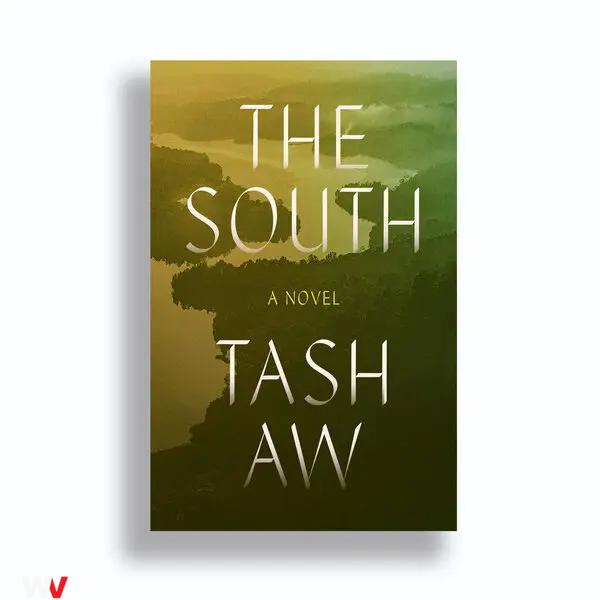
THE SOUTH, by Tash Aw
As a critic, I often come across international writers, even those who write in English, who are widely celebrated in their own countries while barely known in the United States. Tash Aw, a big deal in both his native Malaysia and his adopted home, England (where two of his novels were longlisted for Booker Prizes), is a prime example. I’m hoping that “The South,” a gorgeous coming-of-age story, will broaden his appeal. It’s a departure for Aw — more autobiographical and less political than his previous books — and a wonderfully inviting doorway into his work.
In the novel, Jay Lim, a Malaysian man, looks back on the sweltering school break in the 1990s that he spent on his family’s dilapidated farm in south Malaysia with his two college-age sisters and their unhappily married parents. At the time, he was not quite 17, an outsider, gay but not out, chafing to be done with his miserable school in Kuala Lumpur and yet still utterly uncertain about his future.
Aw swims fluidly between multiple time periods and perspectives to capture what Jay realizes in retrospect was a life-changing month in the country. The narrative explores the mind-sets of three characters: Jay’s mother, Sui Ching, whose sense of entrapment has reached a breaking point in her stifling marriage to Jack Lim, a testy, unpleasant math teacher who is particularly critical of his adrift son; Jack’s half brother Fong, the son of their father’s mistress, who struggles as the farm’s manager and resents Jack’s privileged position; and Jay, whose infatuation with his cousin, Fong’s alluringly muscular and hip 19-year-old son, Chuan, opens up the possibility of happiness. Interspersed are Jay’s later reflections on those intense, steamy weeks when he was initiated into Chuan’s freewheeling world and only vaguely aware of the stresses among their parents.
The Lim family’s trip south is set in motion by Jay’s grandfather’s surprising will, which left the farm, “20 hectares of scrubby jungle and farmland,” to Sui Ching, his daughter-in-law, rather than to either of his sons. The deep-seated familial resentments and inheritance drama aren’t the only threats to the farm. By the time of Jay’s visit, the fruit trees — tamarind, rambutan, papaya, star fruit and dragon fruit — are all moribund, ravaged by drought, climate change and lack of funds.
A family orchard slated for the ax inevitably evokes Chekhov, particularly “Uncle Vanya” and “The Cherry Orchard.” It’s a fitting comparison: “The South,” like Chekhov’s plays, is a tale of dichotomies — a family divided between town and country, education and peasantry, sophistication and provinciality, north and south, ambition and stagnation.