

Entertainment
N.Y.U. Dorm Is Retrofitted to Be Sustainable
The university spent $7 million to transform the building to limit energy usage and costs, and boost the satisfaction of students.
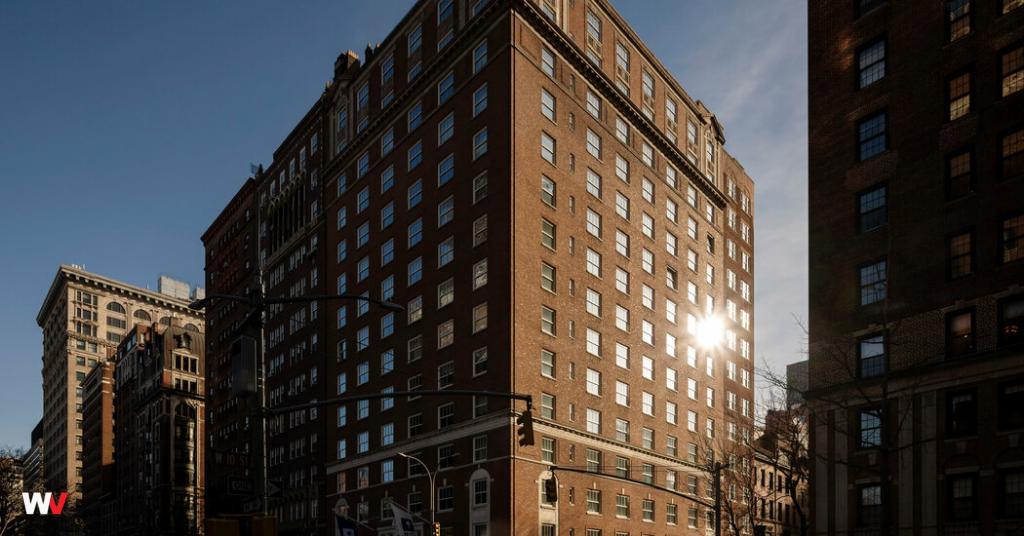
When students at New York University and their parents lugged suitcases into Rubin Hall at the start of the fall semester last year, they might not have realized that the building had undergone a $7 million renovation to be environmentally sustainable.
N.Y.U. bought the building at Fifth Avenue and 10th Street in 1964 when it was still the Grosvenor Hotel and turned the storied Greenwich Village property into student housing.
Renovating Rubin Hall came about during the “normal course of business” of periodically refreshing other student residence halls. But the university decided to invest in retrofitting the freshman dorm to meet sustainability and passive house standards, including limiting energy usage and costs, and bringing comfortable temperatures to the whole building.
“We commit, in every new project of this scale, to look at a fully electric solution, to look at something that moves toward our climate neutral goal by 2040,” said Cecil Scheib, N.Y.U.’s chief sustainability officer.
The renovation took 15 months and included updates to the building’s common spaces, student rooms, and staff work spaces. Hot water replaced the need for costly fuel-based boiler systems, which Edwin Arnaud, the building engineer, bemoaned as cumbersome. Custom-made windows were designed to maintain the building’s landmark status.





