

Entertainment
‘My 10,000 Hours’: The Diaries That Made Helen Garner a Writer
“How to End a Story” collects three volumes of the Australian novelist’s self-conscious, sometimes harrowing journals.
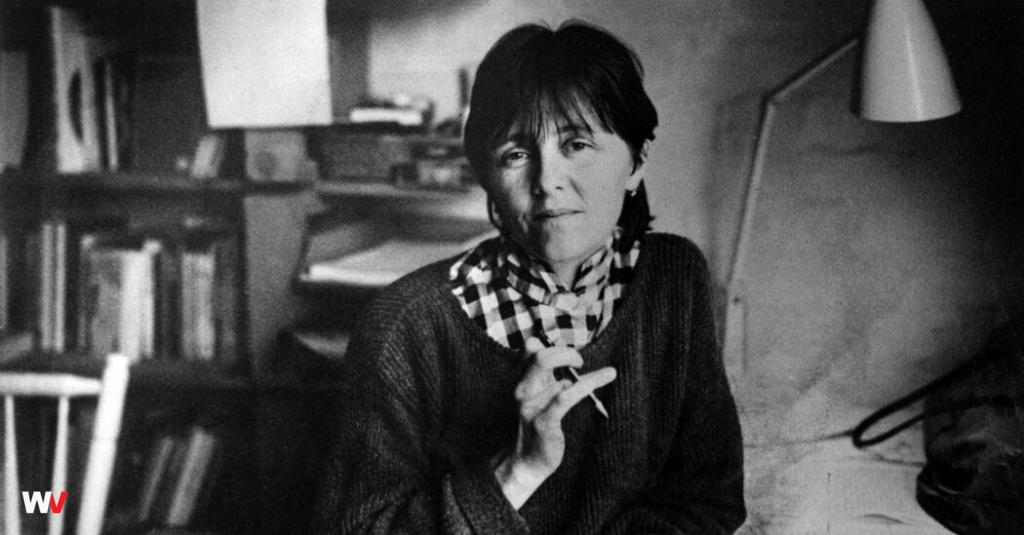
HOW TO END A STORY: Collected Diaries, 1978-1998, by Helen Garner
The Australian writer Helen Garner’s fiction has long been prized by people whose taste I trust. Yet when I’ve picked up her novels, I’ve bounced off them, like a spacecraft that has botched re-entry into the earth’s atmosphere. Every reader must have a writer or two like this, ones they sense they should like but do not. Garner’s work has seemed, in my brief encounters with it, thin and in want of polish.
Now comes “How to End a Story,” a barbell-weight book that collects three volumes of her diaries from 1978 to 1998, beginning in her mid-30s. At more than 800 pages, this is a lot of Garner (no relation). I almost put this one down, too, because it gets off to a tentative and makeshift start.
Book critics, like people who work in publishing, are always looking for an excuse to stop reading. But after a while I began to sync with her voice. By a quarter of the way in, I was utterly in her hands. Mea maxima culpa.
This is one for the introverts — the wary and the peevish, the uncertain of their looks, taste, talent and class status. Garner has an ideal voice to express late-night pangs of precariousness and distress, some more comic than others. Her prose is clear, honest and economical; take it or leave it, in the Australian manner.
She is, in her telling, the kind of person who gets mistaken for the staff at book festivals. People walk up to her out of the blue and ask, “What’s the matter?” (This is a special hatred of mine, too.) She fears for her table manners. Photographers say things to her like, “Your profile, it is not the best.”
If you have ever looked at a photograph of yourself and were floored by your own unsightliness, well, Garner is a laureate of this experience:
Her sense of unworthiness extends to her own writing. “I’m just a middle-level craftswoman,” she writes. And: “Grief is not too strong a word for what one feels before one’s own weakness and mediocrity.” She battles nuclear-grade levels of impostor syndrome.