Entertainment
Mum and Dad Won’t Toss the Rubbish. There’s a Llama in the Kitchen. Help!
In “The Usual Desire to Kill,” Camilla Barnes finds the humor in a daughter’s aggravating visits to her aging parents at their run-down home in rural France.
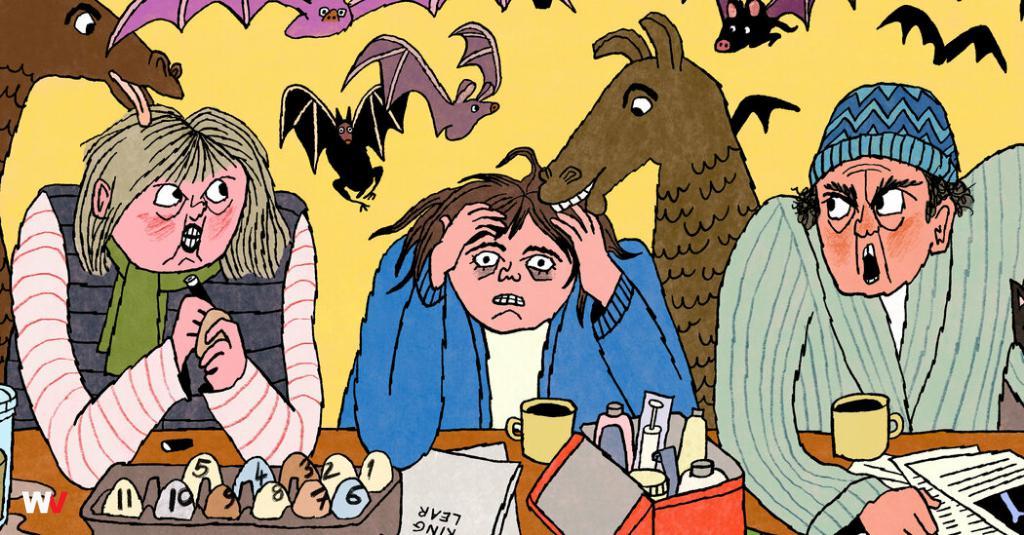
THE USUAL DESIRE TO KILL, by Camilla Barnes
The usual desire to kill your exasperating old parents — that’s the implied full title of Camilla Barnes’s wickedly delightful debut novel.
Narrated by their middle-aged daughter Miranda, with various epistolary and dramatically scripted passages interspersed, the book chronicles a few months in the lives of a 70-something British couple. They bicker and garden and suffer each other’s considerable deafness, minor dementia and timeworn personalities in a vine-encrusted, bat-infested stone house in rural France.
Ducks and chickens abound — also house cats and stray cats and a pair of llamas that sometimes wander into the kitchen. Family secrets emerge, but the plot mostly revolves around the scheduling of a hip replacement. I loved it completely.
Our guide, Miranda, visits often from Paris, where she works in the theater and is currently acting in her own adaptation of “King Lear.” Resonances with the play are lightly drawn and very pleasurable: She and her older sister, Charlotte, when they’re not trading emails about the “various ghastlinesses” of their parents’ house, argue about who is the favored daughter; their father, a philosopher, is prone to some mild raving — as is everybody else, honestly.
When Miranda invites him to her play, he laments that he won’t be able to hear, but at least he’ll see it, so long as nobody gouges out his eyes beforehand. “The eye gouging was one of my favorite bits of ‘Lear,’” Miranda explains, “and I gleefully shouted, ‘Out, vile Jelly! Where is thy luster now?’” (I texted this passage to my own deafish dad, who responded, apropos of not that, “Mom beat me at Scrabble yesterday by 100 points.”)
There’s no third daughter, but there is an imaginary son, James — their mother’s favorite child — and Miranda’s own 19-year-old daughter, Alice, who doesn’t take kindly to the remains of lunch being casually tossed into the back seat of a car. “She gave me a look in the mirror that I interpreted as meaning ‘Don’t you know that producing one ton of foil creates four tons of toxic waste?’” Perfection.