

Entertainment
Lose Yourself in Rich, Evocative New Historical Fiction
The Cannibal Owl By Aaron Gwyn In Comanche folklore, the Mupitsi is a terrifying giant bird that swoops through the night, looking for naughty children to devour. But in the powerful novella THE CANNIBAL OWL (Belle Point Press, 66 pp., paperback …
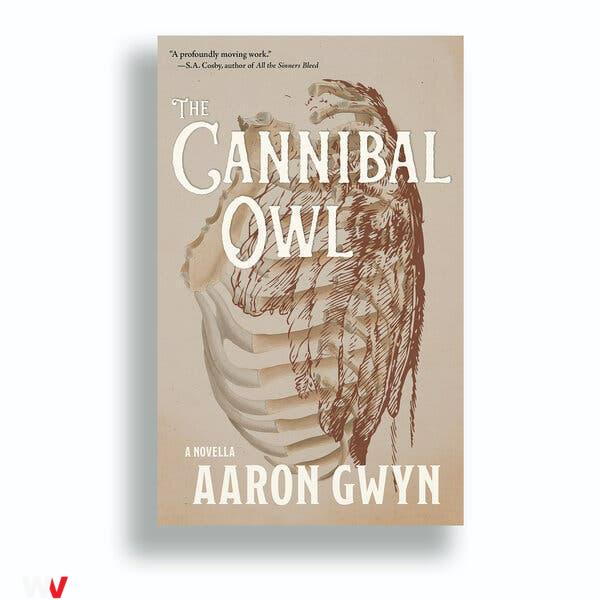
The Cannibal Owl
By Aaron Gwyn
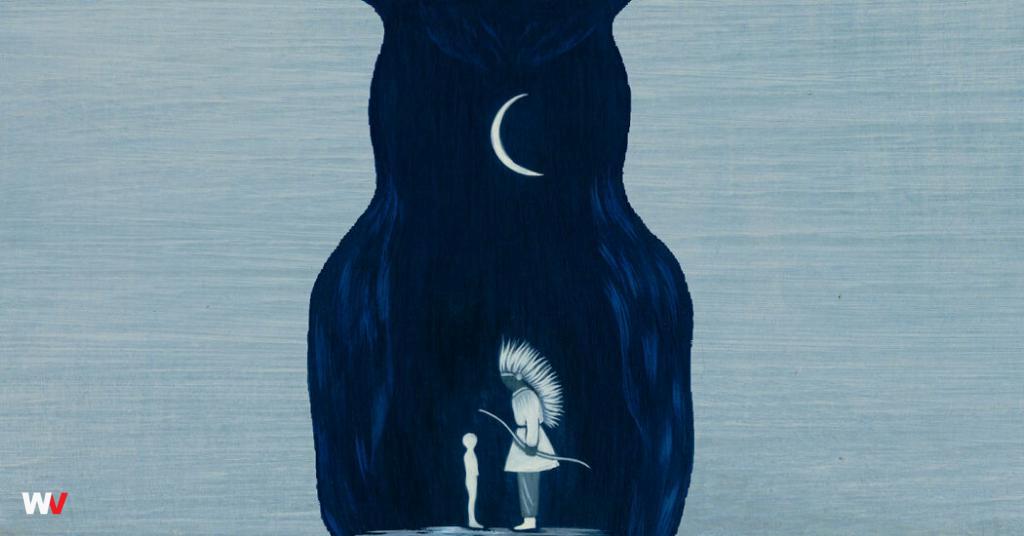
In Comanche folklore, the Mupitsi is a terrifying giant bird that swoops through the night, looking for naughty children to devour. But in the powerful novella THE CANNIBAL OWL (Belle Point Press, 66 pp., paperback, $15.95), it becomes a personal totem for Levi English, an 11-year-old boy who runs away from a frontier settlement in the spring of 1828. Adopted by one of the leaders of a Comanche band, he is tolerated, if not totally accepted, as he learns the ways of a world that will soon come in conflict with the white one in which he’s known only violence and suffering.
Inspired by the early experiences of a prominent 19th-century Texan, Gwyn’s starkly poetic storytelling avoids romanticizing tribal life even as it depicts the deep bond that grows between the elderly Indian known as Two Wolf and the young man who’s been renamed Goes Softly. So when the inevitable test of his loyalty arises, the series of choices he makes are even more affecting. “I wanted to find my people,” hemoans in the brutal aftermath, then realizes “he’d spoken in Comanche and they’d just killed everyone who might have understood him.”
Floreana
By Midge Raymond
The so-called Galápagos Affair piqued the curiosity of Raymond, whose novel FLOREANA (Little A, 271 pp., paperback, $16.99) invents a dramatic explanation for the still-unsolved deaths and disappearances that occurred on this small island in the southern Galápagos in the 1930s. Her tactic is to contrast the contemporary narrative of Mallory, a biologist trying to save the island’s endangered penguins, with the testimony of Dore, a German woman who came to the island with her lover between the two world wars, hoping to create their own private paradise.
The device that links these two is the anguished journal Mallory discovers hidden in a cave, a document in which Dore charts the arrival of a more conventional pioneer family as well as a sexually voracious baroness and her two attractive male companions. The mounting tension that engulfs the island is mirrored by that of the present-day research camp, where past liaisons and current secrets keep everyone on edge. As the action draws to a close, some of the revelations may strain credulity, but what remains most convincing is Raymond’s vivid depiction of the island’s flora and fauna. As for the interlopers, let’s allow Dore to have the last word: “Here we are, at the birthplace of Darwin’s theory, and yet how little we humans have truly evolved.”





