Entertainment
Kamala Harris Wasn’t the First Veep to Experience a Major Vibe Shift
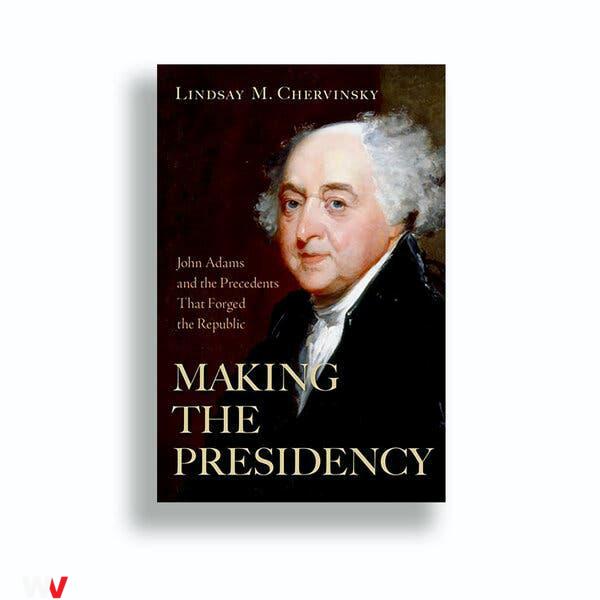
MAKING THE PRESIDENCY: John Adams and the Precedents That Forged the Republic, by Lindsay M. Chervinsky Given the excitement around Tim Walz and JD Vance, it is a useful corrective to remember how dismal the vice presidency has long felt to those …
MAKING THE PRESIDENCY: John Adams and the Precedents That Forged the Republic, by Lindsay M. Chervinsky
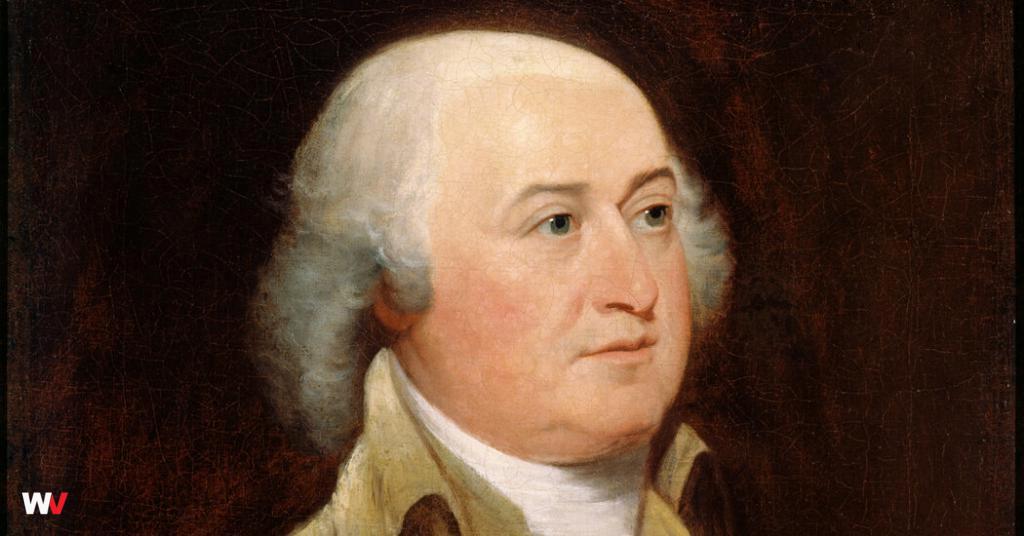
Given the excitement around Tim Walz and JD Vance, it is a useful corrective to remember how dismal the vice presidency has long felt to those saddled with the task. As John Adams, the very first veep, wrote to his wife, Abigail, in 1793, “My Country has in its Wisdom contrived for me, the most insignificant Office that ever the Invention of Man contrived or his Imagination conceived.”
Still, it mattered to be V.P., especially as George Washington’s presidency was winding down. By then, Adams had already done a great deal to will the United States into existence, helping Thomas Jefferson to draft the Declaration of Independence and arranging a loan from Europe to sustain the new republic.
But Adams seemed to shrink during his vice presidency. Washington paid him little mind and excluded him from cabinet meetings. Except for rare moments when he might break a tie in the Senate, he mostly languished on the periphery, unnoticed except by those who made fun of his pudgy frame. It was not a great time for “His Rotundity.”
All of that changed one night in March 1796, when Washington informed Adams that he would soon step down. It was their first real conversation in seven years. Suddenly, everything was up in the air, and Adams realized, as Kamala Harris recently did, that destiny had taken a hand.
The historian Lindsay M. Chervinsky revisits this moment in “Making the Presidency,” her timely account of how Adams ascended to the highest office in the land and transformed it. She does not offer a full biography of Adams — for that, David McCullough and Joseph J. Ellis remain essential — but she deftly probes the way the second American president wielded power in the final four years of the 18th century.