Entertainment
Jon Klassen on the Art of the Board Book
Your imaginary audience has a note taped to them: “I can’t read. I can’t talk. I don’t care about stories, plots or characters. What do you have for me?”
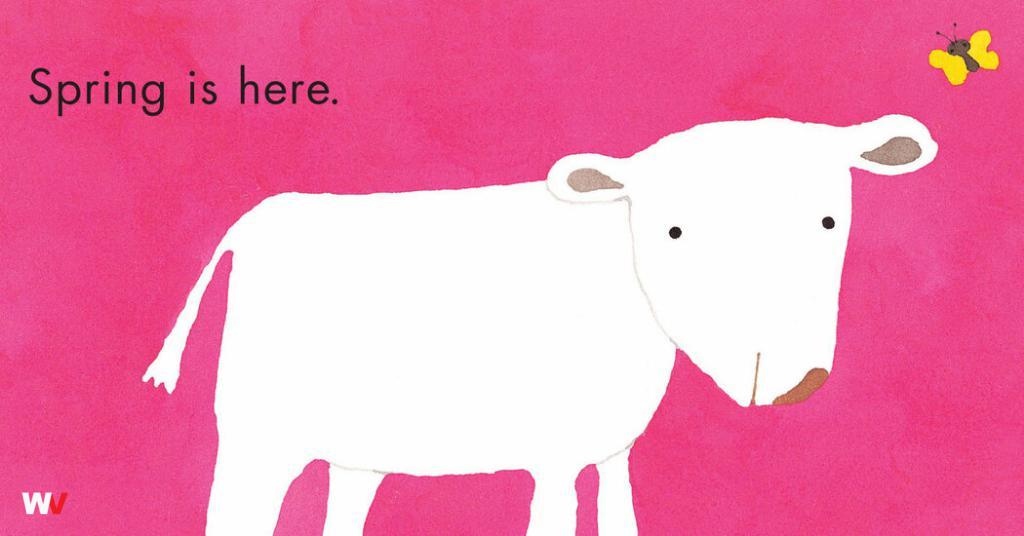
When your job is to write picture books for children, an imaginary child sits in front of you as you work and yells “TOO LONG” pretty often. (They can yell this in real life, too.) So you put your head back down and cut, reading shorter and shorter drafts to them until they yell “TOO LONG” fewer times, and eventually not at all.
You learn to appreciate this imaginary child, loud as they are. They are necessarily murky in age — since picture books are given to a wide range of kids, from toddlers up through early readers — and they are taskmasters.
You start out with something you think you want to impart to them — some kind of lesson or message, or at least a clever idea. And by the time they’re through yelling “TOO LONG,” you’ve cut everything you set out to tell them.
The result might still be a story, with a beginning, middle and end, or some kind of conflict that’s been resolved. But it’s clean and spare and maybe even abstract.
You feel more like you’ve made a dream than a book. It’s wonderful. Hell, you feel like a poet.
That, at its best, is what working on picture books is like. They’re around 32 pages long (though once in a while some of us go longer), around 10 to 12 inches tall and just as wide. Beyond that, there aren’t a lot of rules. It’s a wide-open and very enjoyable medium.
Now imagine that just as you’ve found your speed in this format — by conjuring the murkily-aged yelling child who forces from you the best that you’ve got — your imaginary child is taken away. In their place, someone puts a more specific imaginary audience member. This one is clearly a baby.