Entertainment
It Fought to Save the Whales. Can Greenpeace Save Itself?
Greenpeace is among the most well-known environmental organizations in the world, the result of more than 50 years of headline-grabbing protest tactics. Its activists have confronted whaling ships on the high seas. They’ve hung banners fromthe Eiffel …
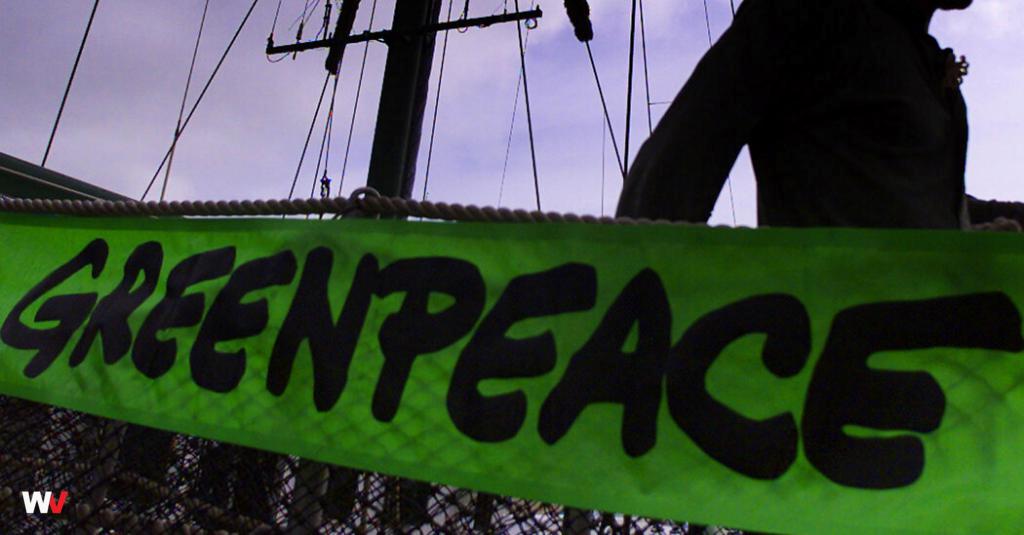
Greenpeace is among the most well-known environmental organizations in the world, the result of more than 50 years of headline-grabbing protest tactics.
Its activists have confronted whaling ships on the high seas. They’ve hung banners fromthe Eiffel Tower. They’ve occupied oil rigs. A (fictional) activist even sailed with Greenpeace in an episode of “Seinfeld,” in hopes of capturing Elaine’s heart.
Now, Greenpeace’s very existence is under threat: A lawsuit seeks at least $300 million in damages. Greenpeace has said such a loss in court could force it to shut down its American offices. In the coming days, a jury is expected to render its verdict.
The lawsuit is over Greenpeace’s role in protests a decade ago against a pipeline near the Standing Rock Sioux Reservation in North Dakota. The pipeline’s owner, Energy Transfer, says Greenpeace enabled illegal attacks on the project and led a “vast, malicious publicity campaign” that cost the company money.
Greenpeace says that it played only a minor, peaceful role in the Indigenous-led protest, and that the lawsuit’s real aim is to limit free speech not just at the organization, but also across America, by raising the specter of expensive court fights.

Protesters in 2016 against the Dakota Access Pipeline.Credit…Alyssa Schukar for The New York Times