Entertainment
Is He a Stranger, Her Son, Her Lover or All Three?
Katie Kitamura’s thrilling new novel, “Audition,” examines the performances we put on for others — and exposes the shams that underpin them.
AUDITION, by Katie Kitamura
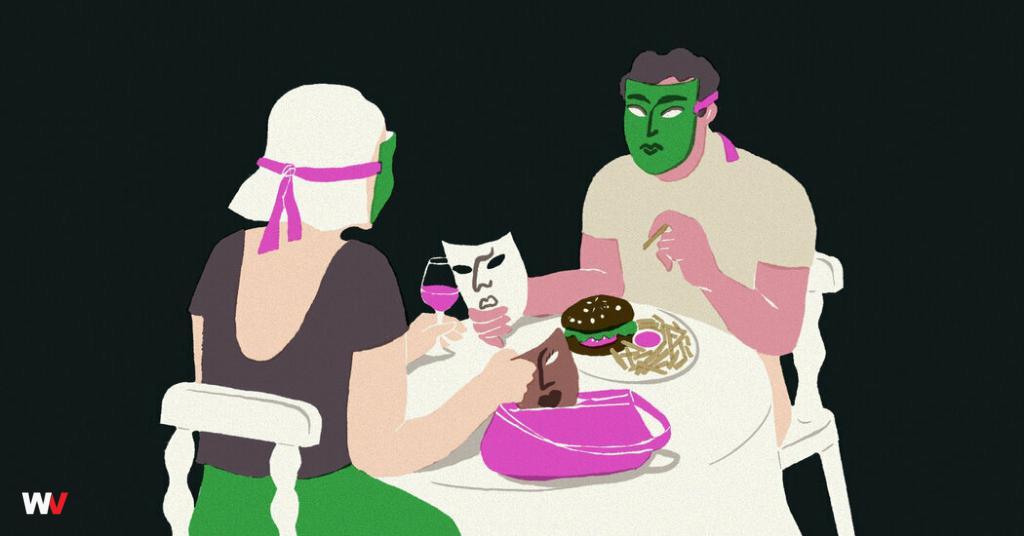
In the opening scene of Katie Kitamura’s new novel, “Audition,” a middle-aged actress of some renown meets with a much younger man in a faceless restaurant in Manhattan’s financial district. The woman, our narrator, is deeply apprehensive about the encounter, and is swarmed by thoughts of the various interpretations strangers could be making when they see her with the man: that she is a lascivious predator, or his doting mother, or something else entirely.
This is comfortable terrain for Kitamura, who over five novels has perfected the maneuver of burrowing into such gaps between our innermost selves and the roles we perform for others. Her characters are often passive, but can hardly be called inert. She traces the transfer of power between men and women with horse-race precision, suggesting that in every dynamic, we are constantly being fitted for new costumes and vying for a starring part.
“Audition” realizes Kitamura’s longstanding interests in the form of a woman who inhabits roles for a living. It’s her most thrilling examination yet of the deceit inherent in human connection.
The restaurant lunch is the characters’ second meeting: The man, Xavier, tracked down the actress, who remains unnamed, hoping to learn whether she was the woman who put him up for adoption years earlier. (It’s a fanciful theory on his part; the two are “comparable in coloring,” though their races are never identified, and they seem to share little else.) It’s “not possible,” she explains — she is no one’s mother using any criteria.
But it’s obvious Xavier still wants more from her than she will provide, and despite his sweetly immature tendencies — his order of a burger and fries, his inability to deploy either his charisma or his beauty to maximum effect — this imbalance threatens her. “Below the surface demands and obtrusions of his personality,” she thinks, “was a ruthlessness I had not perceived or prepared for.”
The narrator is caught off guard throughout the novel’s first half. Her longtime husband, Tomas, has earned the right to distrust her. “You’re not cheating on me again, are you?” he abruptly asks her early on, one of several exchanges that briefly kicked the breath from my lungs.