Entertainment
In Han Kang’s Latest, a Quixotic Bird Rescue Expedition Turns Tragic
The Nobel laureate’s new novel, “We Do Not Part,” revisits a violent chapter in South Korean history.
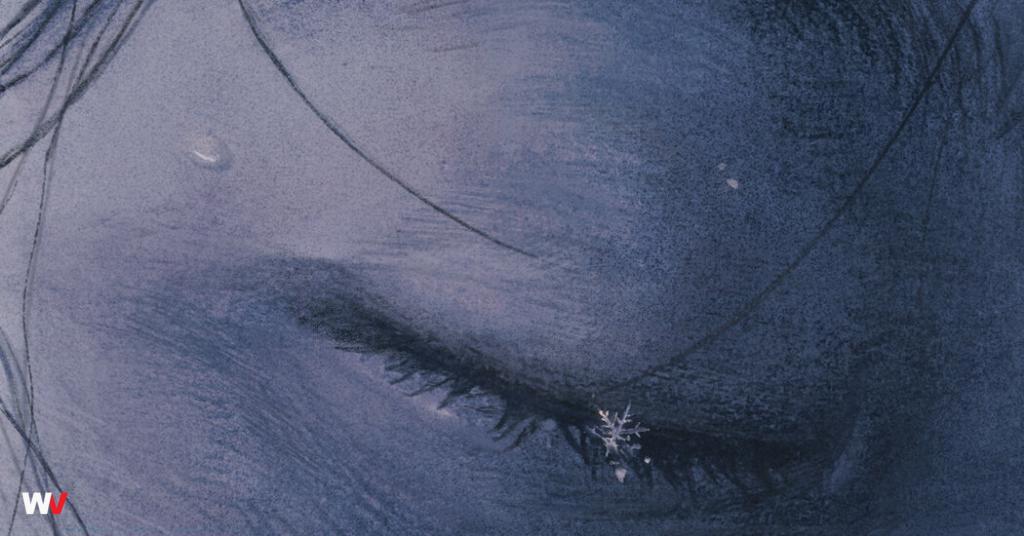
WE DO NOT PART, by Han Kang; translated by E. Yaewon and Paige Aniyah Morris.
A 2021 novel by the South Korean writer Han Kang, “We Do Not Part” is now being published in English for the first time in a translation by E. Yaewon and Paige Aniyah Morris. Already internationally famous for “The Vegetarian,” which won the 2016 Booker Prize, Han Kang is now fresh off the 2024 Nobel Prize in Literature — the first Asian woman and first South Korean to be given that honor.
“We Do Not Part” takes on the lasting devastation of the violent suppression of the Jeju uprising of 1948 and 1949, probably unfamiliar to many American readers despite the complicity of the United States military in the massacres that took place in the name of anticommunism. Between 1947 and 1954 on Jeju, an idyllic subtropical island off the coast of South Korea, at least 30,000 people were killed in mostly government-perpetrated atrocities, which involved gang rape, infanticide and mass executions of civilians. The 1948-49 uprising is seen by some historians as a precursor to the Korean War. Apologies have been issued by South Korea’s 21st-century presidents (Roh Moo-hyun in 2003, Moon Jae-in in 2018), but not by the United States, which was then occupying the southern part of Korea in the wake of World War II.
Han’s novel is narrated by Kyungha, a historian and writer living in Seoul who suffers from chronic pain (migraines, abdominal spasms) so bad she has contemplated suicide. She and her friend Inseon, a filmmaker turned carpenter from Jeju, have long planned to collaborate on an ambitious project, part installation and part documentary feature, incorporating blackened logs in a landscape as a memorial to the victims of violence. The cut-down trees stand in for cut-down people — in Kyungha’s dream, they are “torsos” — just as the women’s failure to complete the project stands in for the impossibility of ever fully reckoning with the brutality of power.
Early in the book Inseon summons Kyungha to a hospital in Seoul where she is being treated — in a repetitive and excruciating way — for a grievous hand injury incurred in her carpentry studio. Having left her home in a rush, Inseon tasks her friend with an urgent journey to Jeju, about 300 miles away, to save a pet bird she fears will starve to death while she lies in her hospital bed. But a dangerous snowstorm hampers the quixotic bird-rescue expedition, and Kyungha is left isolated in the dreamlike surroundings of Inseon’s compound, where she eventually uncovers evidence of her friend’s obsessive investigation into the family’s tragic losses in the time of the massacres.
On the site of this family home in Jeju, the buried appear to rise again, their shadows flitting over the walls; dead and absent people and birds are intermittently present, and the distinction between dead and living grows fuzzy. The past leaks disjointedly into the present as the novel layers witnessing upon witnessing — a handing down of memory between generations, from one damaged woman to another.