

Entertainment
How Sex and Religion Collided in 1980s Culture
Madonna, Scorsese, Warhol and “Piss Christ” play roles in Paul Elie’s maybe-too-comprehensive look at how divisive expressions of faith came to the fore.
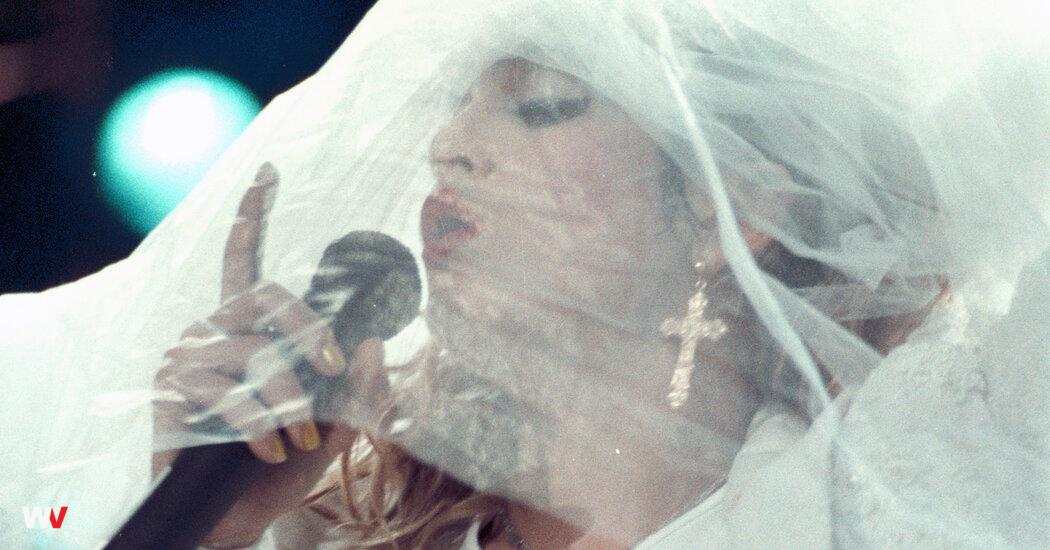
THE LAST SUPPER: Art, Faith, Sex, and Controversy in the 1980s, by Paul Elie
What, you thought our long national nightmare of celebrating the 50th anniversary of “Saturday Night Live” was finally over? Keep dreaming.
Paul Elie’s new book, “The Last Supper,” is gilt-framed by two musical performances on that show: Bob Dylan singing “Gotta Serve Somebody” in 1979 during his evangelical Christian period, and Sinead O’Connor, in 1992: doing an a cappella version of “War,” then ripping up a picture of Pope John Paul II to protest sexual abuse of children within the Roman Catholic Church.
Just as anniversaries are arbitrary, overmemorialized round numbers, no decade is merely 10 years. Elie extends “the long sixties” (identified by the literary critic Fredric Jameson) through the beam projector of religion.
In his ’60s-inflected 1970s, “American Catholicism became thoroughly ordinary, the old works and pomps yielding to trapezoidal churches, felt banners, leisure suits, strummed guitars, Palm Sunday processions around the parish parking lot, and confession brought out of the booth and into folding chairs.”
In the nasty and brutish ’80s, however, Catholicism roared back in new, subversive forms, with retaliation from the establishment trailing close behind. Andres Serrano’s photograph “Piss Christ” and Robert Mapplethorpe’s “The Perfect Moment” retrospective had both been funded by the National Endowment for the Arts, and many in Congress rained hellfire and brimstone once they were on view.
It was an origin story of the culture wars that have, lo these many years later, come to seem perpetual. Also playing a sometimes contested role as interfaith change agents: Morrissey and Toni Morrison, the Neville Brothers and Salman Rushdie.





