Entertainment
Forgery, Fraud and Absinthe’s Enduring Mystique
Evan Rail’s “The Absinthe Forger” takes the reader on a picaresque tour through the world of vintage alcohol collectors in pursuit of a fraudster.
THE ABSINTHE FORGER: A True Story of Deception, Betrayal, and the World’s Most Dangerous Spirit, by Evan Rail
“If you tasted an absinthe that was supposed to have been made a century or more ago, would you even know what to look for?”asks Evan Rail. It’s a key question driving his new book, “The Absinthe Forger: A True Story of Deception, Betrayal, and the World’s Most Dangerous Spirit,” which, along with the promised detective story, delivers a lively stand-alone seminar on temptation — as well as the culture and history of the much-maligned liquor and its reputation for causing madness and murder.
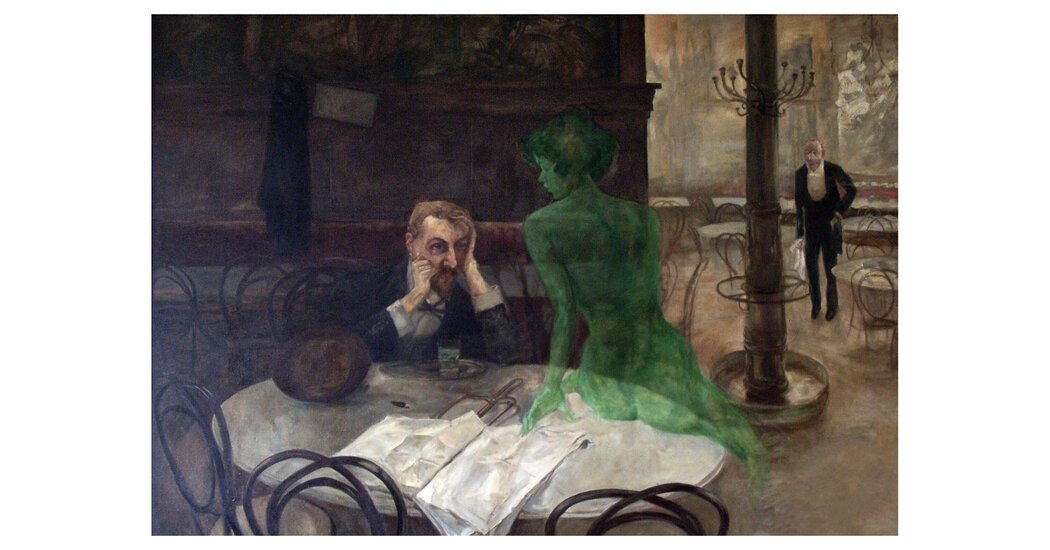
Nicknamed the Green Fairy for its most common hue, absinthe inspired Oscar Wilde, Vincent van Gogh,Henri de Toulouse-Lautrec,Ernest Hemingway and many other authors and artists who found in it a liquid muse — not to mention a general public who just liked to drink. The traditional French way of consuming the distinctive concoction (flavored with anise, fennel and a type of wormwood called Artemisia absinthium) typically includes a ritual involving a specialized Art Nouveau-inspired accouterment: The drinker opens up absinthe’s flavors with a dribble of ice water poured over a sugar cube, perched on a slotted spoon atop the glass.
Absinthe was legally banned in the United States and parts of Europe for most of the 20th century, thanks to news media reports of lurid effects and unsound science concerning thujone, the chemical neurotoxin found in the wormwood. Pressure from rival winemakers (wanting a bigger share of drinkers) and temperance activists (who wanted zero drinkers) added fuel to the anti-absinthe fire.
As for absinthe’s reputation for inducing madness? Today’s science demonstrates that it likely wasn’t the wormwood that made people trip out or act up, but rather the spirit’s extremely high alcohol content. Still, many modern variations throttle back the thujone.
Hard-core fans of the edgy emerald spirit consider those bottles of the stuff made before France’s 1915 ban especially desirable. It’s these absintheurs and their tightly knit subculture (including, naturally, Facebook groups) — as well as input from modern distillers — that propel the narrative as Rail tries to contact the forger of the title, an alleged expert who was passing off modern mixtures as vintage spirits.