Entertainment
Dear Armchair Mountaineers: A Cherished Literary Classic Awaits
Nan Shepherd’s meditative book on the great outdoors is an inspiring guide to stepping away from comforts and routine.
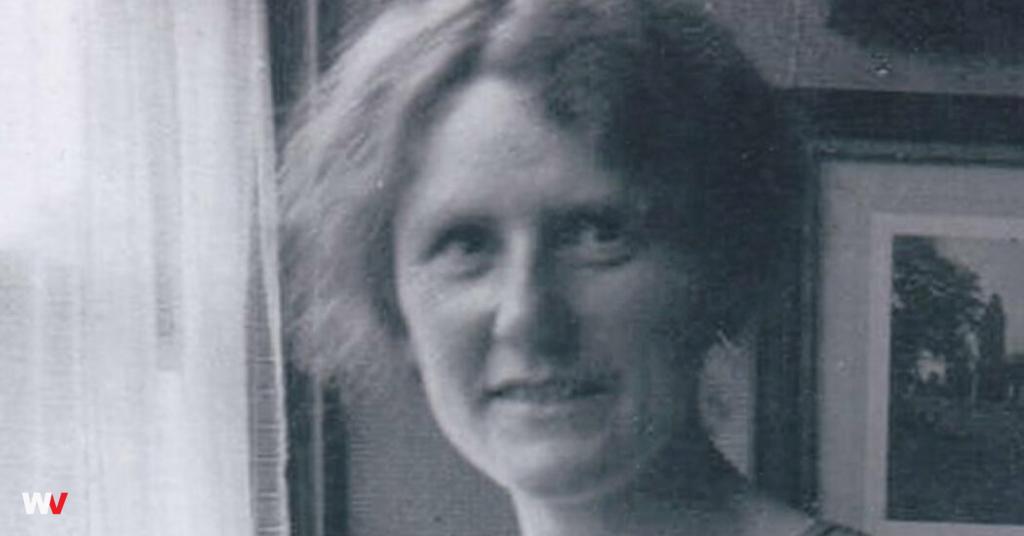
In 1944, the 51-year-old Nan Shepherd, coming off an unhappy love affair, turned her attention to the manuscript that would become “The Living Mountain,” a book about Scotland’s Cairngorm mountain range, which she had been climbing since childhood.
Shepherd was already a known author, having written three modernist novels and a poetry collection, “In the Cairngorms.” But by the time she wrote “The Living Mountain” — a work that has always been prefaced with the warning that it defies easy categorization, but has also been called “the finest book ever written on nature and landscape in Britain” — she had not published anything in a decade. Her quotidian life was lecturing at a college in Aberdeen, close to where she was born, and the travel and mountaineering a teacher’s schedule enables.
When Shepherd showed her manuscript to a fellow writer, Neil M. Gunn, he was enthusiastic but cautious, suggesting some maps to anchor the reader, and a glossary of Scottish terms. (She would add the latter.) But after an unenthusiastic response from her publisher, Shepherd shoved “The Living Mountain” into the proverbial drawer and didn’t take it out until 1977, when it was published in a limited edition by Aberdeen University Press. She died in 1981.
I can only assume that THE LIVING MOUNTAIN (Scribner, 123 pp., paperback, $18), out in a new edition this year, has had a cult following from the moment it appeared. But it was in 2011, when it was reprinted in Britain with an introduction by the nature and travel writer Robert Macfarlane, that its reputation began to grow.
What to call it, asks Macfarlane: “A celebratory prose poem? A geo-poetic quest? A place-paean? A philosophical inquiry into the nature of knowledge? A metaphysical mash-up of Presbyterianism and the Tao?” As he concludes, it is all of this and more; Shepherd herself called it “a traffic in love.”