Entertainment
Bethany Joy Lenz Wanted Community. She Ended Up in a Cult.
The “One Tree Hill” actor has written a memoir of the decade she spent beholden to the Big House Family — and her escape.
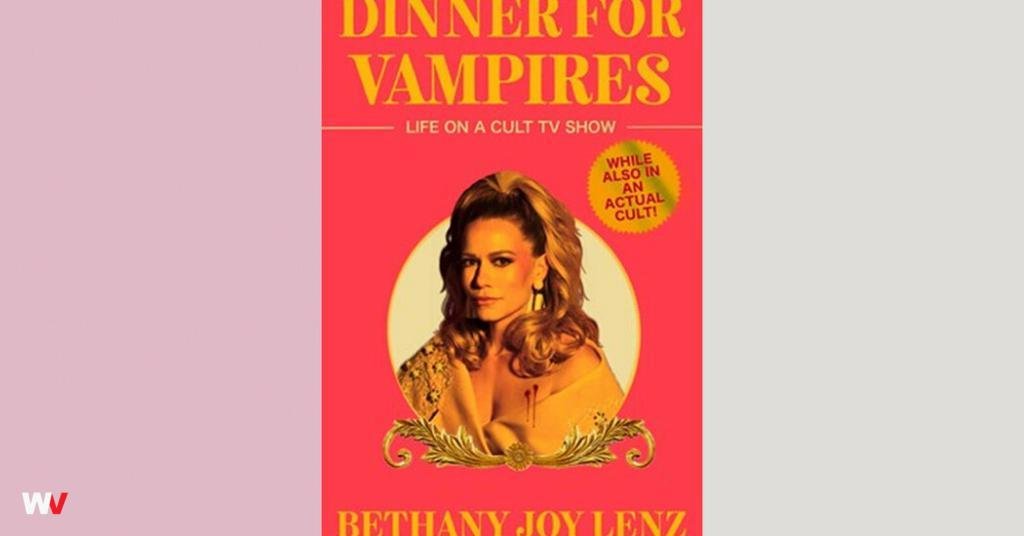
DINNER FOR VAMPIRES: Life on a Cult TV Show (While Also in an Actual Cult!), by Bethany Joy Lenz
Bethany Joy Lenz knows cults have gone a little mainstream. “When I tell someone I was in a cult, their first response is: ‘Which one?’” she writes in her sharp, confessional memoir, “Dinner for Vampires.” People are hoping she’ll say one they recognize from a Netflix documentary; “I see the disappointment on their faces when I say, ‘Just a small Bible-based group in the Pacific Northwest.’” It may not be a household name, but that group, known as the Big House Family, preyed upon Lenz’s psychological and financial well-being for a decade, leeching her of any perceived free will.
Before she became famous for her nine-year run as the geeky but charming overachiever Haley James on the 2000s TV drama “One Tree Hill,” Lenz was a Hollywood newcomer looking for community. “Dinner for Vampires” rejects the stereotype that only the naïve and broken can fall victim to a cult’s seduction: Raised by loving and devout hippie Christians who moved frequently (she spent most of her upbringing in Texas) and divorced when she was 16, Lenz remembers a household filled with prayer, Proverbs and “daily conversations about God.” Her father read a leather-bound King James Bible “with a highlighter and pen nearby, filling every inch of margin with impeccably written notations.” Committed, but never obsessive or manipulative, in their faith, her parents made room for their daughter’s aspirations — defending her, for instance, when the church took issue with her role on the “tawdry” daytime soap opera “Guiding Light.”
Lenz’s prose remains light and clear, and often funny, throughout the book, even when it takes a disturbing turn. Arriving in Los Angeles at 20 to pursue her acting career in earnest, she feels so isolated and unmoored that she seeks out other young Christians for companionship, one of whom leads her to a weekly Bible study in the home of two brothers, former Seventh-day Adventists.
There she meets a man she calls Les, a pastor without a flock from Idaho whose odiousness she describes vividly: “a short red-faced man in his late 40s with hair everywhere except the top of his head” and a stomach that “ballooned forward under apish arms.” Les visits the group regularly for months, wresting control of the L.A. Bible study group and turning it into a subsidiary of the church he is building back home. The denomination he practices is never specified, and the fuzzy details of his past and of his doomed business ventures propel the memoir, even if some mysteries remain unsolved.
Depressed after a heartbreak, Lenz has grown sympathetic enough to Les’s influence that she accepts an invitation to visit the “little God spa” Les and another leader, Pam, are building up in Idaho: “I needed to be surrounded by family.” As her trips there accumulate, this Family starts to take the place of her own so-called “bio-family”: “The more I folded into Les and Pam’s world,” Lenz writes, “the more misunderstood by my parents I felt and the less I trusted them.”