Entertainment
A Translation of a Translation of a Novel Within a Novel
Yang Shuang-zi’s “Taiwan Travelogue,” a National Book Award finalist, is a nesting-doll narrative about colonial power in its many forms.
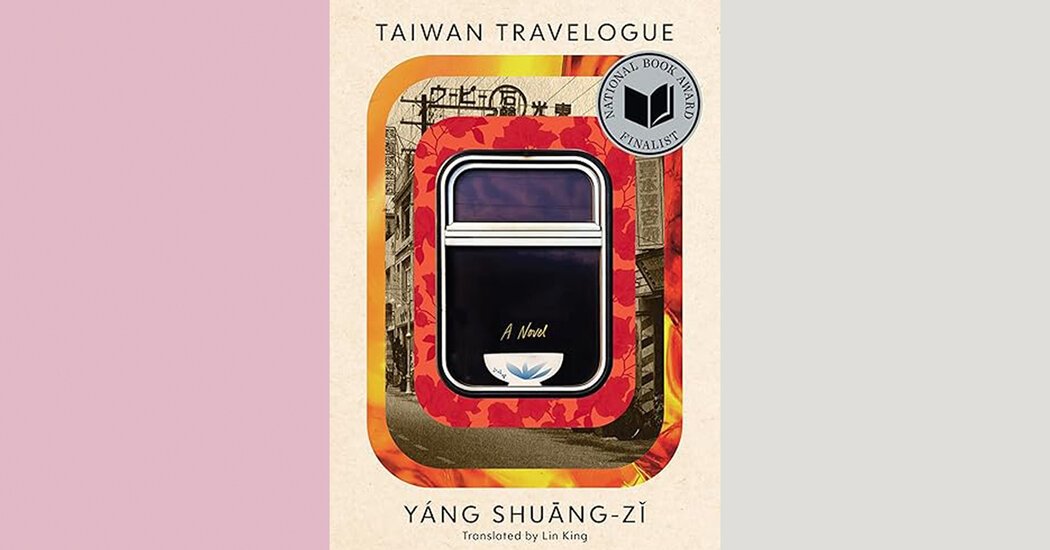
TAIWAN TRAVELOGUE, by Yang Shuang-zi. Translated by Lin King.
Aoyama Chizuko, a Japanese novelist, is traveling around Taiwan with O Chizuru, a brilliant translator with deep knowledge of the island’s layers of culture. Having received an official invitation to conduct a lecture series, Chizuko plans to spend a year on the island writing travel articles for Japanese publications.
So far, it is a familiar premise: a writer in a foreign land, living “like a local,” befriending a native who can help break down the exoticism of the place into bite-size morsels of travelogue. But the Taiwanese novelist Yang Shuang-zi takes these tropes to a much more subversive place. “Taiwan Travelogue,” a National Book Award finalist first published in Mandarin Chinese in 2020, is a delightfully slippery novel about how power shapes relationships, and what travel reveals and conceals.
The year is 1938. Taiwan is a Japanese colony, and islanders such as Chizuru are pressured to emulate their interlopers; those who choose not to confront slights and slurs. Chizuko feels obliged to resist being a tool for the colonial authorities who have sponsored her trip, but she also dreams of visiting the sakura blossoms, which the Japanese have managed to grow on the island. “It is true that the emperor’s coercive methods are unpleasant,” Chizuko says to her translator. “But the beautiful sakura are innocent of any crime.”
How exactly should the Taiwanese colonial subject admire these nonnative cherry blossoms, or, for that matter, the convenient rail network built to transport goods to the empire? When Chizuko buys a kimono for her translator or urges her to move to Nagasaki instead of marrying the man her family picked out, is she being a generous friend or imposing her own notions of liberation?
Who better to answer these questions than a translator, adept in the language and culture of the colony and the colonizer? Translation, after all, can be both a capitulation and an act of resistance to the soft power of an empire. Having mastered the master’s toolbox, the translator understands precisely how cultural domination works.
Perhaps this is why Yang fashions “Taiwan Travelogue” as a nesting doll of translations. Richly detailed conversations about food, for example, serve as code for the growing erotic tension between Chizuko and Chizuru, which remains unspoken.