Entertainment
A Refugee Odyssey Unfolds in a Novel Full of Unknowns
Boris Fishman’s new book follows a family that leaves a war-torn country for a shot at asylum in the United States.
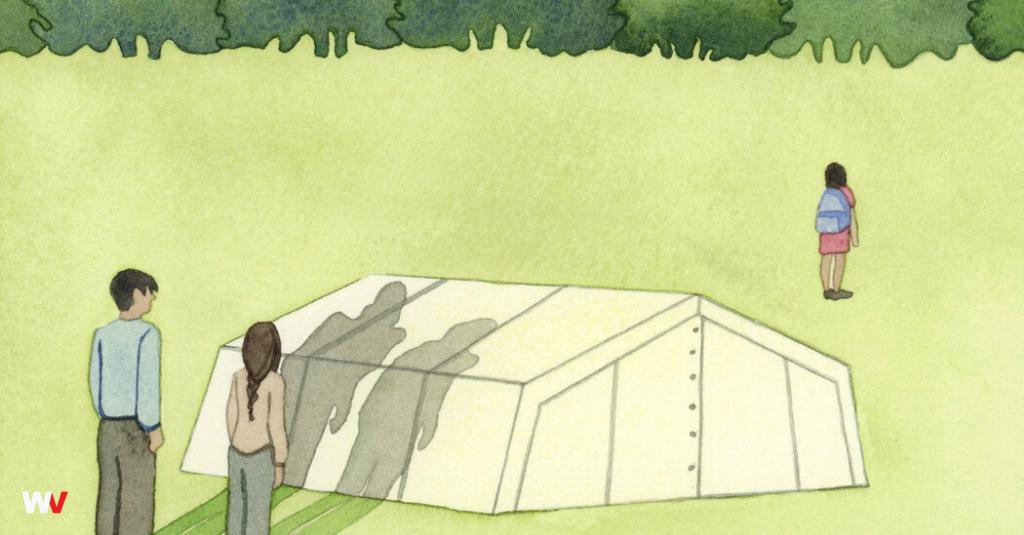
THE UNWANTED, by Boris Fishman
Boris Fishman’s third novel, “The Unwanted,” begins with an ending. Its protagonists, a “minority-sect” family living in an unnamed autocracy riven by civil war, have just learned that they have to leave the country.
George, the father, has devoted his life to teaching “dominant-sect” poetry at a state-sponsored university, a job that, for years, has kept them safe at the expense of his dignity: “Have you wondered why we haven’t been touched?” he asks his wife, Susanna. “Because … your husband debases himself every day licking the soles” of the dominant-sect regime.
But now his protected status has vanished — he claims not to know why, signaling to the reader the start of an unfolding intrigue — and he, Susanna and their elementary school-age daughter, Dina, have to get on a raft and flee their only home.
From here, a refugee odyssey unfolds. After a number of betrayals and acts of violence, the family lands in a camp in another unnamed nation, scarred and compromised but alive. Once there, they grow emotionally isolated from one another — and, for that matter, from themselves.
Susanna worries that the horrors of the journey “should have degraded her more.” But all she can think about is whether the United States will grant them asylum, a process nearly derailed by the realities of George’s collaboration with the government, which proves to have gone far beyond what Susanna knew.
If all this sounds painful, it is; if all this sounds familiar, it is. “The Unwanted” is careful to be nuanced and ethically complex, to avoid the well-worn tropes of victimhood and challenge readers’ perceptions of refugees. With his characters, Fishman achieves these goals. Dina and Susanna, who occupy most of his interest, are prickly fighters, neither victims nor heroines.