Entertainment
The Coming of the ‘Messiah’: How Handel’s Masterpiece Was Born
John Adams reviews “Every Valley,” Charles King’s new book about the artistic, social and political forces surrounding one of the greatest pieces of music ever created.
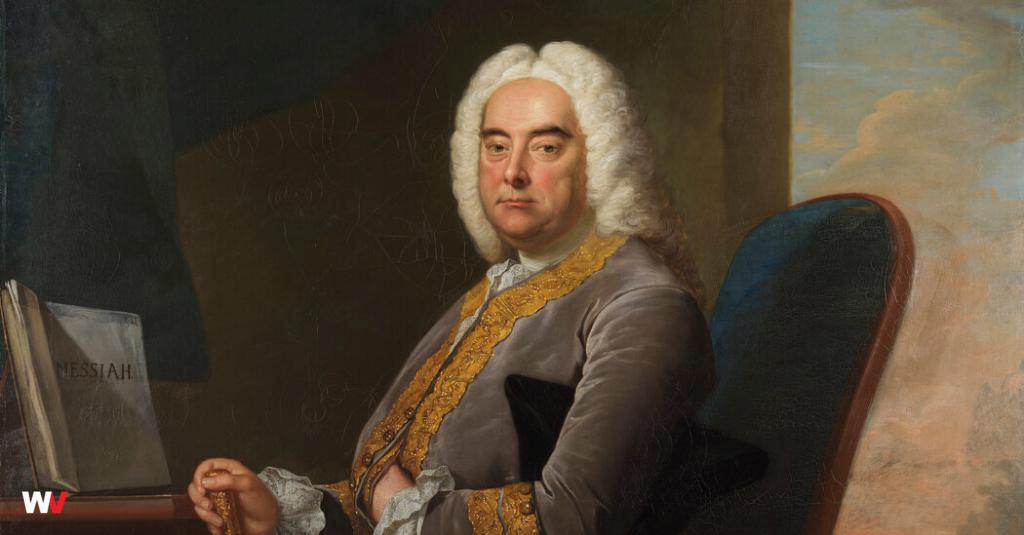
EVERY VALLEY: The Desperate Lives and Troubled Times That Made Handel’s “Messiah,” by Charles King
“Mr. Handel’s head is more full of Maggots than ever. … I could tell you more … but it grows late & I must defer the rest until I write next; by which time, I doubt not, more new ones will breed in his Brain.”
The probably feigned harrumph about the composer was aired by one Charles Jennens, a wealthy 18th-century English country squire, art and book collector, music lover, hoarder of manuscripts and all-around aesthete who some years later would provide both the concept and the text for what would become the most popular and enduring musical work of all time: the oratorio that, despite Jennens’s contribution, we know as “Handel’s ‘Messiah.’” A solitary bachelor, self-described as “puny,” Jennens was subject to depression and “violent perturbations and anxieties of the mind.” Aside from his God in heaven, the moody and melancholic impresario had one overriding passion in life: the music of his German-born composer friend, he of the maggots in the brain. For Jennens, George Frideric Handel was “the Prodigious,” a genius whose talent, fecundity and theatrical acumen dominated English musical life for nearly a half-century.
Jennens is just one of an improbable list of characters who populate Charles King’s new book, “Every Valley: The Desperate Lives and Troubled Times That Made Handel’s ‘Messiah.’” King uses Handel’s famous oratorio, what he calls “the greatest piece of participatory art ever created,” as a hub the spokes of which radiate outward to a host of key historical forces and personalities that characterize 18th-century Britain. A work of vivid social and cultural commentary, it functions also as an in-depth study of artistic creation, not only of how “Messiah” came to be, but also of the unstoppable spigot that was Handel’s musical imagination.
Its melodramatic subtitle aside, King’s is a book rich with quirky characters living under strange circumstances: eccentric royals, visionary benefactors, financial collapses, theatrical triumphs and career meltdowns, legal shenanigans worthy of Dickens’s “Bleak House,” and even a Peeping Tom who spies on an adulterous tryst involving the young woman who years later Handel will choose to sing the alto solos in the premiere of “Messiah.”
King casts his net wide, finding links among signal names and events that, although they didn’t always impact Handel, are representative of the era. We are reminded that Handel was alive and composing in the England of Pope, Swift, Defoe, Fielding, Newton, Bonnie Prince Charlie; of smallpox and syphilis, public hangings and the longstanding dispute between the Catholic Stuarts and the Protestant Hanoverians. We are plunged into the hectic mayhem of London life, with the slave trade a sinister backdrop for an economy that kept class distinctions frozen, the nobility in comfort and commoners struggling to stay fed. Farther afield but affecting the fortunes of the wealthy were the restless American colonies and the rapacious South Sea Company, which alternately enriched and then ruined its investors. But there is also the moving story of “Messiah”’s connection to the creation of London’s famous Foundling Hospital, a humanitarian crusade that dominated the life of one sea captain turned philanthropist, Thomas Coram, determined to provide succor for the city’s shocking number of abandoned children.