Future
What’s Driving the Topsy-Turvy Markets
A key jobless claims report could join a hiring slowdown, corporate earnings, growth worries in weighing on investors during an August to forget.


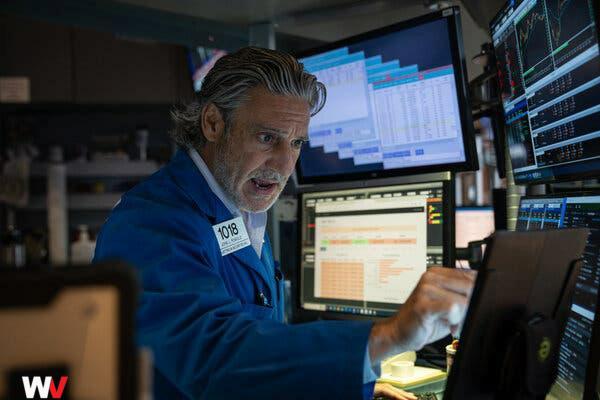
Wall Street is bracing for another eventful day as a key report on jobless claims looms.Credit…Ava Pellor for The New York Times
The summer slowdown intensifies
Even by August’s typically volatile standards, markets have been especially choppy this month, with some of the biggest intraday stock swings of the year occurring over the past week.
Thursday is shaping up to be another white-knuckle session, with the publication of key labor data potentially feeding into investors’ fears of an economic hard landing.
Here’s the latest:
-
S&P 500 futures were up 0.1 percentafter Wednesday’s late-afternoon market swoon put all of the major indexes in the red. Just in: Eli Lilly reported a blowout second-quarter profit on the strength of its diabetes drug Mounjaro and Zepbound, its weight-loss injection. The stock was up 10 percent in premarket trading.
-
Stocks in Europe and Asia dipped this morning, giving up some of Wednesday’s gains. As of Wednesday’s market close in Tokyo, the mega bet on Japanese stocks by Warren Buffett’s Berkshire Hathaway was down 550 billion yen ($3.7 billion).
-
Oil is down; crypto is up.
That puts extra weight on Thursday’s jobless data, which is scheduled to be released at 8:30 a.m. Eastern. Friday’s lackluster jobs report aggravated fears that the U.S. economy was slowing faster than anticipated, and set off a global sell-off. A bigger-than-expected uptick in workers filing for unemployment benefits could add to market jitters.
Other things to watch: the Treasury Department auction on Thursday of 30-year sovereign bonds (Wednesday’s 10-year Treasury note auction saw weak demand, spooking markets), and next week’s Consumer Price Index report, which will offer an update on inflation as households pull back on spending.
Could the data point to a downturn? Jamie Dimon of JPMorgan Chase sees a recession as the most likely economic outcome, and said that he was “a little bit of a skeptic” about whether the Fed could bring inflation down to its 2 percent target.
That said, his own bank’s economists put year-end recession odds at 35 percent.
Also worth noting: Berkshire now owns more short-term Treasury bills than the Fed, a potential sign of bearishness on Buffett’s part.