General
Freedom’s Frequencies Fall Silent
President Trump’s efforts to mute Voice of America and other U.S.-government-funded international broadcasters may not have received as much attention as his many other sallies, perhaps because these media outlets do not broadcast within the United …
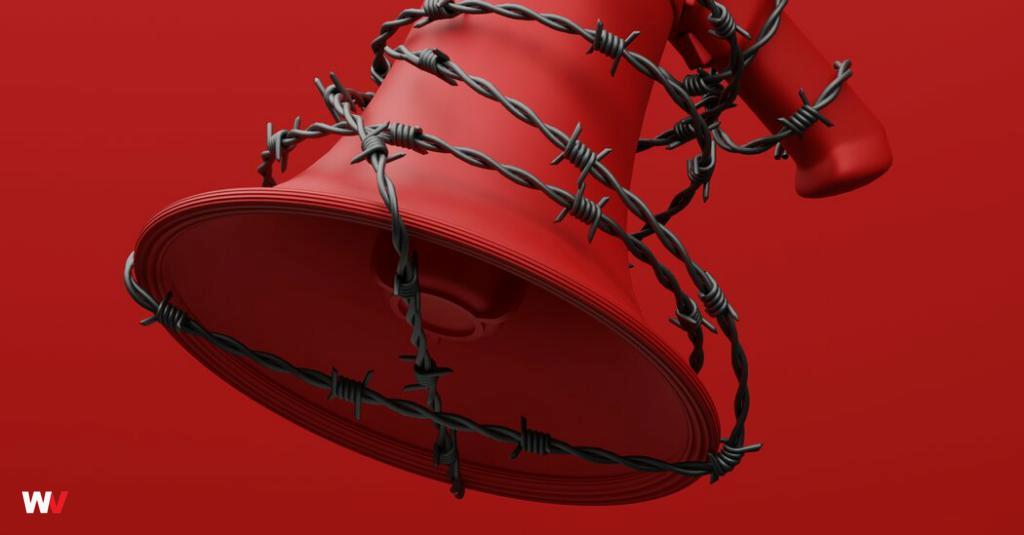
President Trump’s efforts to mute Voice of America and other U.S.-government-funded international broadcasters may not have received as much attention as his many other sallies, perhaps because these media outlets do not broadcast within the United States and so are not well known. But stifling America’s voice around the world carries serious consequences: It strips the United States of one of its most venerable and effective instruments of soft power.
The order to eliminate the U.S. Agency for Global Media “to the maximum extent consistent with applicable law” was tucked into a measure also shutting down several other small government entities. As with so many of the president’s decrees, the answers to many questions remained unclear, including whether Mr. Trump had the legal authority to cut off the outlets, and whether they would be revised or fully dismantled.
Global Media is an umbrella agency that oversees V.O.A. and several other global media “radios,” as they’ve been collectively known — including the Office of Cuba Broadcasting, Radio Free Europe/Radio Liberty, Radio Free Asia and Middle East Broadcasting Networks. Also under the umbrella is the Open Technology Fund, formally started in 2019, which supports uncensored internet access to over two billion people.
Collectively, the outlets reached more than 425 million listeners or viewers worldwide. V.O.A., which counted approximately 360 million of those people in nearly 50 languages, fell silent immediately.
No one would dispute that the radios, most with their origins in World War II and the Cold War, required updating for a rapidly changing world with rapidly evolving technology.
But they were emphatically not a waste of money or effort. For millions of people worldwide — especially in places like Russia, China, Iran and Venezuela, where access to information is jealously controlled by authoritarian regimes — the American radios were a source of trusted news and information about the world and, more important, their own countries. For many Russians, Radio Liberty was the main source of reliable information about the war in Ukraine.