Fashion
‘Are We Growing Food, or Are We Making an Artwork?’
As youthful wheat shimmied in the Montana breeze, it looked a lot like grass. Logically, I knew wheat is a grass, cultivated to yield the plump, glutinous makings of pasta and beer. But it took an encounter with living crops to understand. This …

As youthful wheat shimmied in the Montana breeze, it looked a lot like grass. Logically, I knew wheat is a grass, cultivated to yield the plump, glutinous makings of pasta and beer. But it took an encounter with living crops to understand.
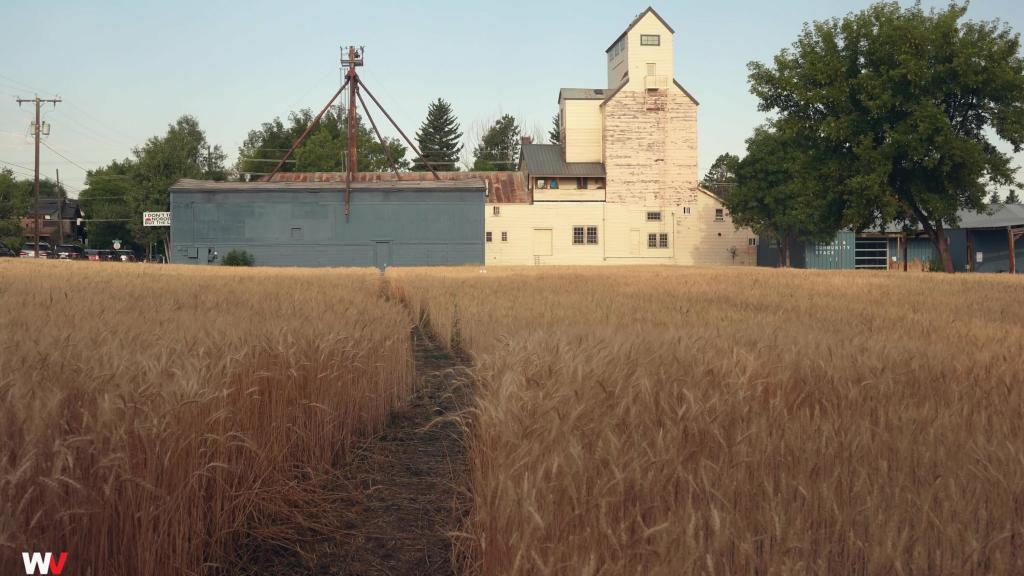
This revelation is a testament to a new artwork by Agnes Denes in the burgeoning mountain micropolis of Bozeman, Mont. Titled “Wheatfield — An Inspiration. The seed is in the ground,” the project hinges on an acre of wheat planted at Tinworks Art, a fledgling exhibition space in a gentrifying, postindustrial neighborhood known as the Brewery District, after a demolished beer factory.
Tinworks hopes to reach Bozeman residents where they live. The symbolic crop gathers the anxieties of a quickly changing community in the Gallatin Valley, where open space is disappearing, and focuses urgent conversations around themes of land use, water conservation, loss of agricultural land, lack of housing, development and food scarcity.

“It’s about human survival,” Agnes Denes said of the Bozeman wheat project at Tinworks Art. “It’s about hope.”CreditCredit…
“It’s about human survival,” Denes said of the Bozeman wheat project, on view through Oct. 19. “It’s about hope.”
When I visited Bozeman in July, the heads of grain at Tinworks were knee high and starting to cure down, mottled green and brown, as each stalk reflected subtle differences in the gravelly soil. A year ago, the wheat field was a parking lot and a dumping ground, full of railroad ties and trucks. On Sept. 8, it will be harvested.