
Connect with us
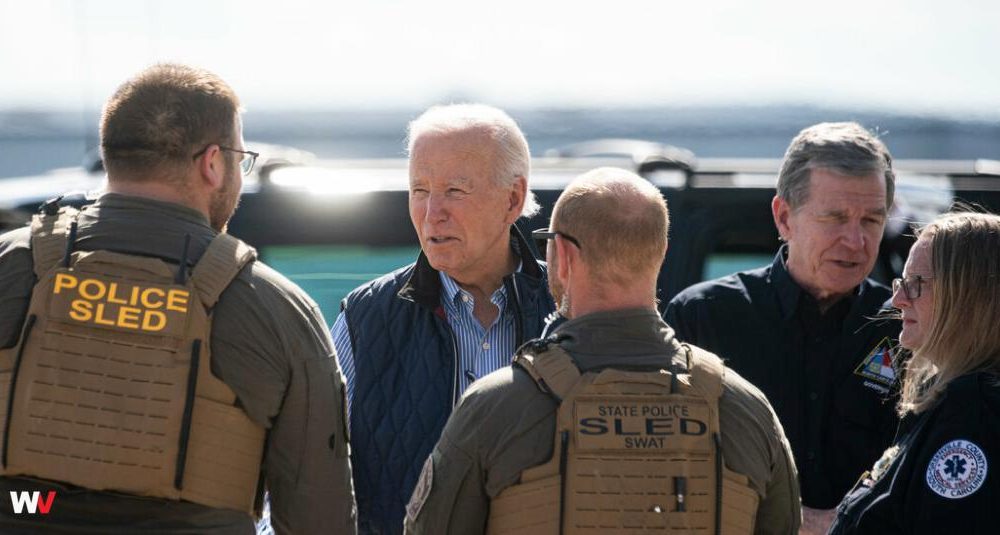

War in the Middle East, the port workers strike and a devastating hurricane have injected uncertainty into the U.S. economy.
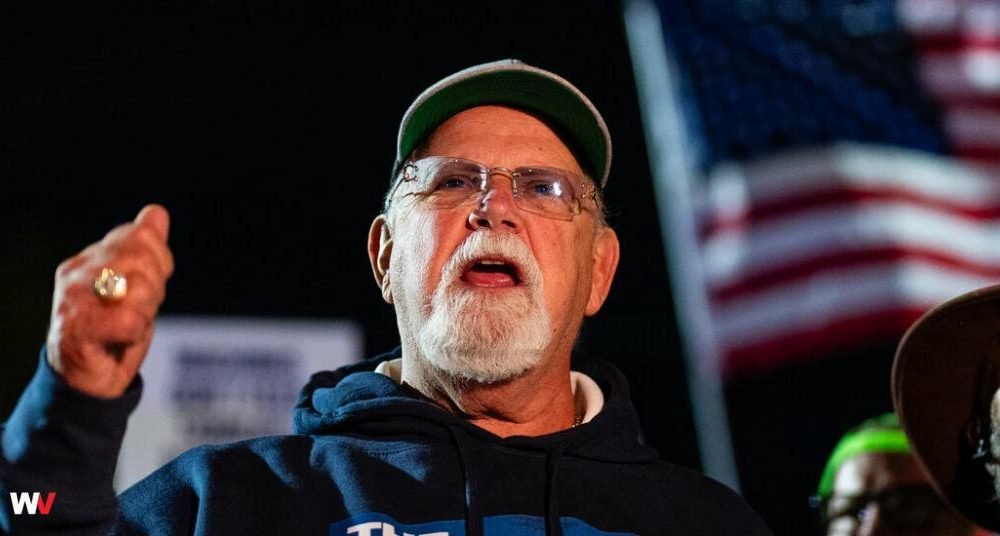


Harold J. Daggett is seeking big raises for longshoremen on the East and Gulf Coasts who have fallen behind workers on the West Coast.
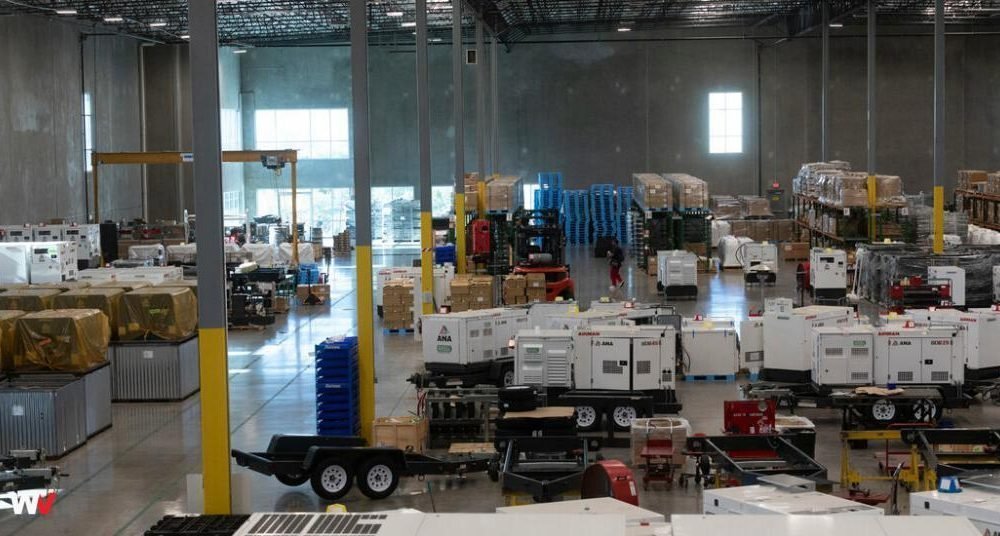

The policy focus on the industry has changed from job quantity to job quality. And while federal incentives matter, local factors are more important.



Business owners and foreign governments are preparing for high tariffs and trade disruptions, depending on the outcome of the election.
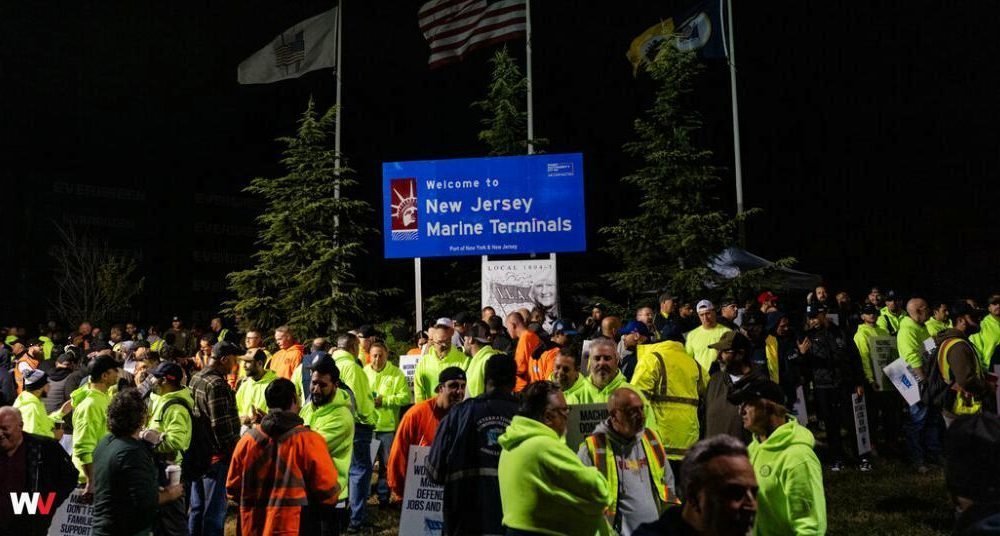

The strike by longshoremen has halted commerce at Newark and other ports on the East and Gulf Coasts, affecting an ecosystem of supply-chain workers.
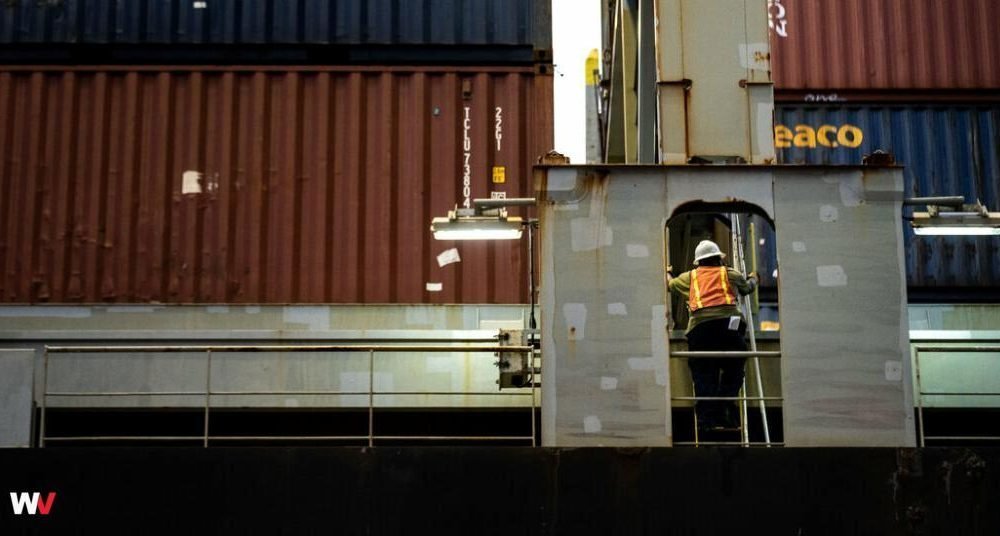
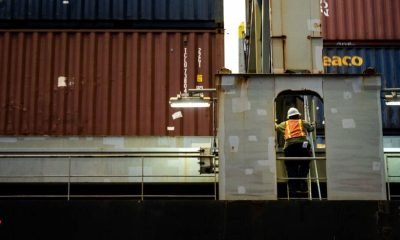

Transportation and warehousing sectors are poised to first feel the pinch, with a broader economic fallout expected if the strike drags on.
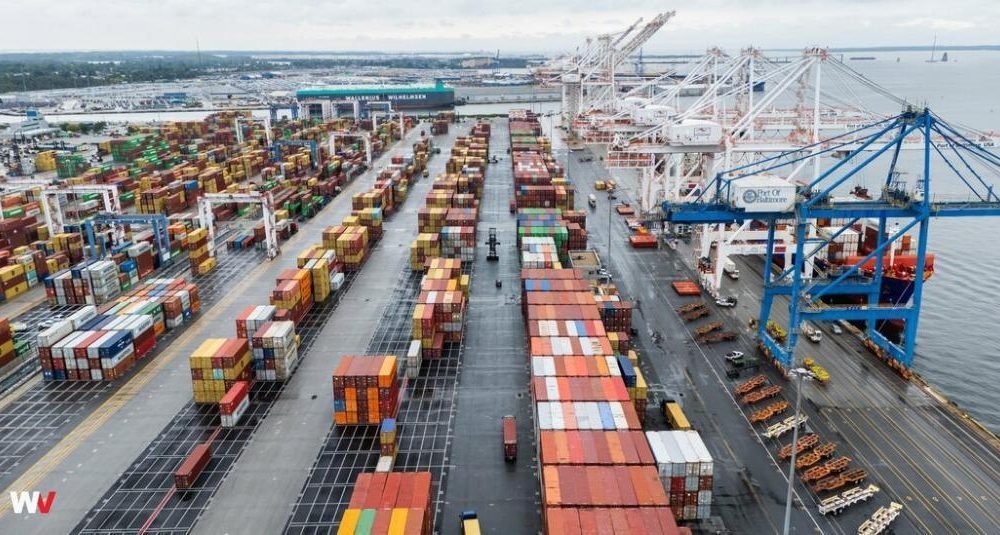

Members of the International Longshoremen’s Association walked out for the first time since 1977 in a standoff over wages, benefits and job security.



In London’s upmarket Primrose Hill, a Michelin-starred chef is employing people on the edge of homelessness as chefs, wait staff and cocktail makers.
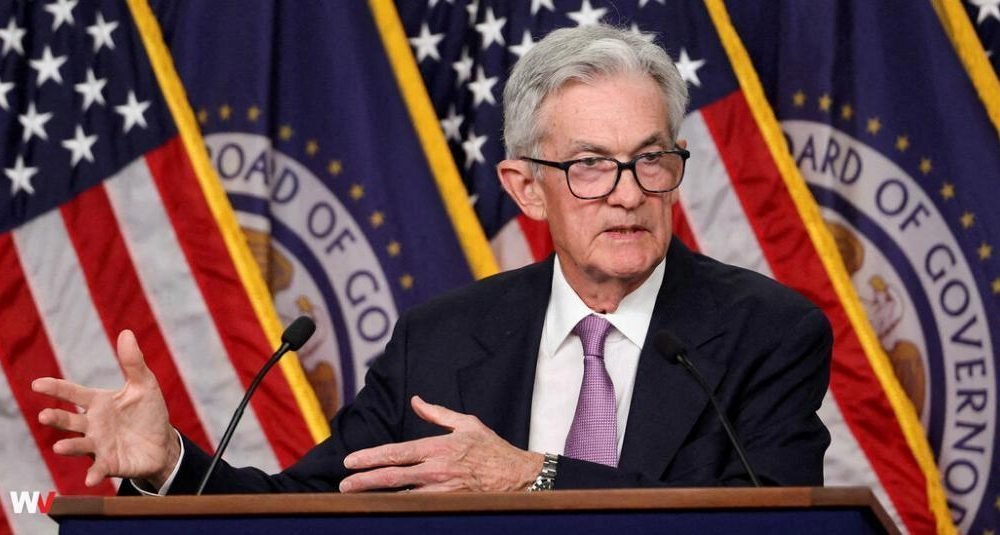
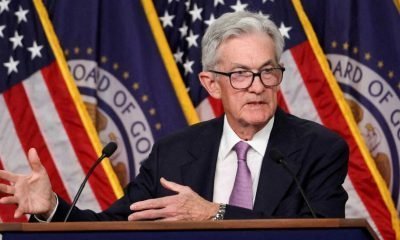

Jerome H. Powell, chair of the Federal Reserve, said that inflation is down and unemployment up “significantly,” and that rates will move down “over time.”
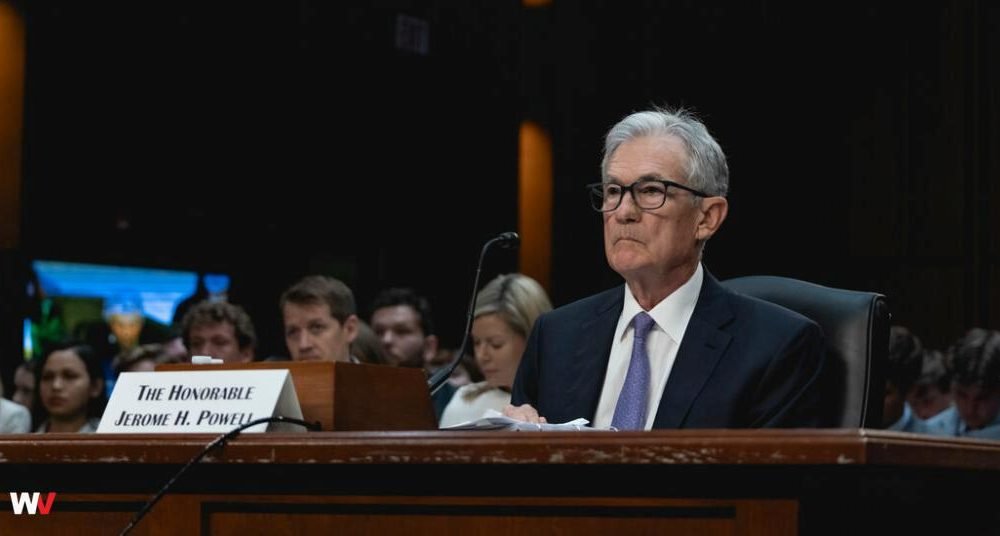

Inflation has been slowing for months, which has paved the way for Federal Reserve interest rates cuts.


