

Fashion
Why Are We Living in the Golden Age of ‘Gut Soda’?
Mikalah Harp’s weekly Whole Foods run starts in the produce section, dutifully winds through the store and ends with the best part. On a shelf at the far end of the store is her favorite treat: Olipop’s grape-flavored “prebiotic” soda. This category …
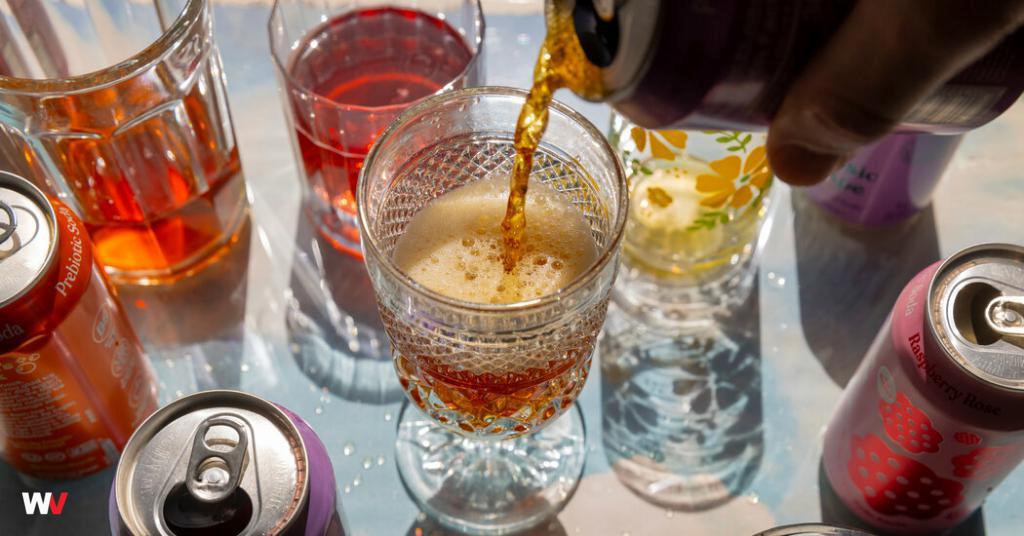
Mikalah Harp’s weekly Whole Foods run starts in the produce section, dutifully winds through the store and ends with the best part. On a shelf at the far end of the store is her favorite treat: Olipop’s grape-flavored “prebiotic” soda.
This category of beverage, which appeared seemingly everywhere almost overnight, is hard to miss thanks to its beckoning pastel packaging and brightly printed text. The flavors alone do not sound all that exciting: “Cherry Cola,” “Classic Grape,” “Crisp Apple,” but that’s part of their appeal. To shoppers like Ms. Harp, the simple names suggest the drinks are made with just a few clean ingredients that can help keep them healthy.
When Ms. Harp, 30, gets home, she patiently places her four-pack in the perfect spot in the fridge. By the time she reaches for a can at dinnertime, it’s perfectly chilled and fizzy. She does her best not to pop one open before dinner, she said, but after successfully drinking only water all day, every once in a while she just can’t resist.
“Sometimes, I get a little eager and I’ll open it up just before dinner’s ready and I tell myself I can go ahead and have a little sip now,” she said. “I use it as kind of a reward to myself.” As an added benefit, she says she does not feel guilty like she once did when she treated herself to traditional soda.
Ms. Harp, who loves this treat, is lucky. She’s living in the golden age — or fizzy bubble — of gut soda. From January 2024 to January 2025, Olipop and Poppi retail sales totaled more than $815 million in the United States. Coca-Cola, which recently introduced its own prebiotic soda, said it expected these products to generate more than $2 billion in sales by 2029. In announcing that it had purchased Poppi for nearly $2 billion this month, PepsiCo said it acquired the brand partly because it hoped to “offer more positive choices” to shoppers.
“People feel as though this is going to finally make them healthy,” said Gary Wenk, a psychology and neuroscience professor at Ohio State University. “It’s a fad, it’s a gimmick. But you know what? In this case, it’s kind of a good gimmick.”