

Economy
The Big Secret About Medicaid: It’s a Middle-Class Benefit
If you have a parent short on savings, a disabled adult child or a minor with special needs, Medicaid may be your backstop. Plenty of people are unaware.
“I never thought that Medicaid would become an issue in my family, but it has.”
That was the first line of a note I received this week from a retired investment industry veteran whose autistic son receives coverage from the program. A similar email arrived from one of the most affluent towns in California.
Yes, Medicaid primarily serves Americans with the lowest incomes, and you may not count yourself among them.
But now that the program is potentially on the chopping block, as Republicans in Congress seek to make up to $2 trillion in spending cuts, it’s a good time to consider others who qualify.
It could be an aging parent who needs nursing home care, whose significant nest egg has been drained after 20 years of retirement. Or it could be a 26-year-old adult child who can’t be covered on your health insurance anymore but is not yet making much money. Or perhaps it’s a severely disabled child.
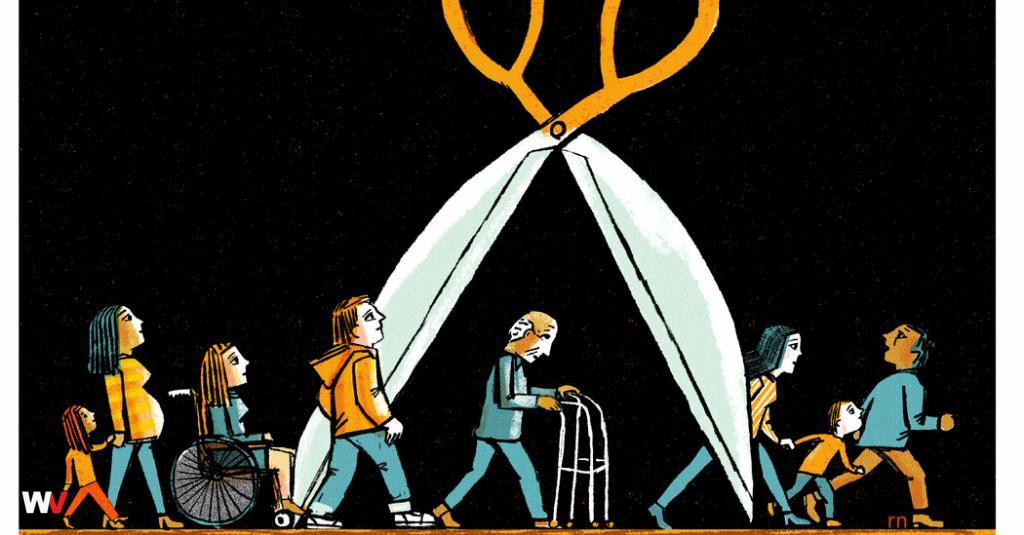
Millions of people who are financially comfortable now may be just one bad break away from needing Medicaid for themselves or a member of their immediate family. Without coverage, the cost of care for an aging parent or a sick or disabled child — of any age — can be ruinous.
Medicaid is a shield against anxiety for the luckiest among us. If there is any chance your family could face enormous bills from situations like the ones that follow, the Medicaid policy debate affects you, too.