General
The Founders Were Afraid for the Country, Too
While writing my column this week, I was reminded of Benjamin Franklin’s famous quip about the outcome of the 1787 constitutional convention in Philadelphia. As the story goes, Franklin was leaving the hall after signing the Constitution when he …
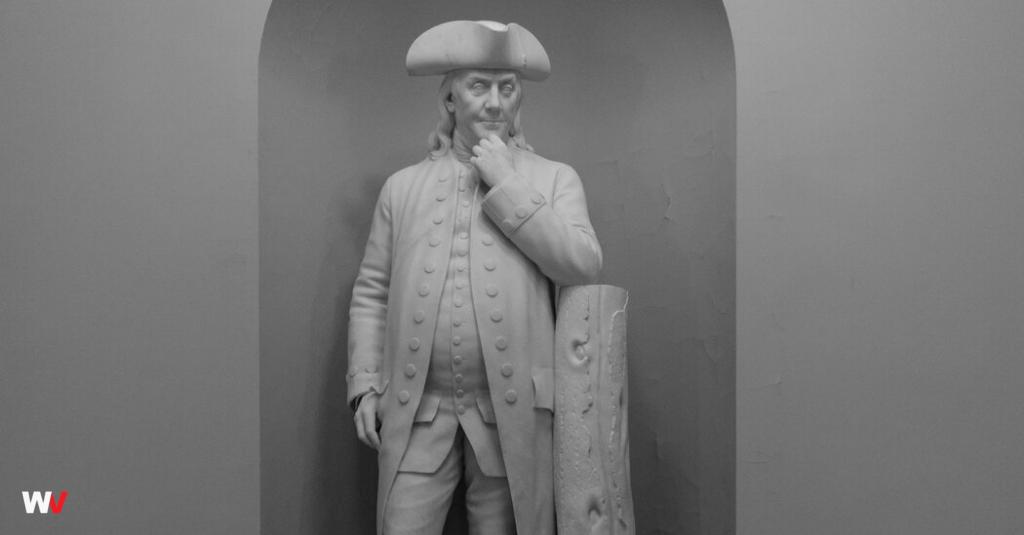
While writing my column this week, I was reminded of Benjamin Franklin’s famous quip about the outcome of the 1787 constitutional convention in Philadelphia. As the story goes, Franklin was leaving the hall after signing the Constitution when he approached by Elizabeth Powel, a close friend of George Washington’s. She asked whether the delegates had decided on a monarchy or a republic.
“A republic,” Franklin replied, “if you can keep it.”
This anecdote comes to us by way of James McHenry, a delegate from Maryland who later served as the United States’ third secretary of war. It was recorded in “The Records of the Federal Convention of 1787” and has had remarkable staying power in the decades and centuries since it entered popular memory.
The reason, I think, is that it captures better than almost anything else the apprehension and uncertainty that marked the first decade of theAmerican republic.
Somewhat lost to history in our memory and mythology of the founding fathers is the fact that their optimism regarding their capacity to make the world anew was tempered by a deep pessimism born of past precedent and their own experiences as statesmen and politicians.
The framers were more than aware of the fragile and short-lived nature of republican government. “It is impossible to read the history of the petty republics of Greece and Italy without feeling sensations of horror and disgust at the distractions with which they were continually agitated, and at the rapid succession of revolutions by which they were kept in a state of perpetual vibration between the extremes of tyranny and anarchy,” Alexander Hamilton observed in Federalist No. 9, voicing the conventional wisdom of many of his peers. “If they exhibit occasional calms, these only serve as short-lived contrast to the furious storms that are to succeed.”
Accordingly, their own choices were informed by the examples of the past. They would avoid the direct democracy of Athens in favor of a system of representation; they would blend representation with the aristocratic elements of the Roman republic; and they would create a new office, the presidency, that would tether the executive power to the rule of law.