Fashion
Review: ‘Moby-Dick,’ the Opera, Cuts the Blubber
Streamlining Melville’s sprawling novel, Jake Heggie and Gene Scheer’s moody, monochromatic 2010 adaptation has come to the Metropolitan Opera.
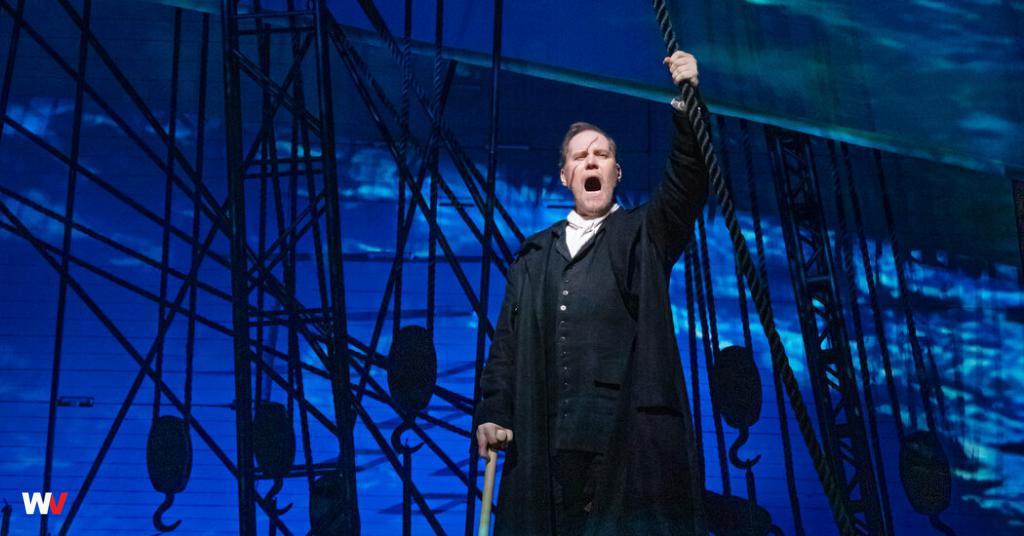
The opening line of Herman Melville’s “Moby-Dick” is one of the most famous in literature. But Jake Heggie and Gene Scheer, whose moody, monochromatic 2010 adaptation arrived at the Metropolitan Opera on Monday, conspicuously avoid placing those classic three words at the start.
It’s an early declaration of independence, the kind that artists have always had to make when turning a well-known novel — especially one as sprawling and shaggy as Melville’s — into singing. Heggie, who also composed the well-traveled opera “Dead Man Walking” (2000), and Scheer, an experienced librettist, have narrowed one of the canon’s most overflowing works to its core plot.
For readers who enjoyed “Moby-Dick” but yawned through the rambling digressions about whaling, do I have an opera for you.
The compressed adaptation is direct and clear, at least. Some contemporary operas, of which the Met has offered a burst over the last few seasons, lean heavily on confusing devices: complicated flashbacks; characters shadowed by doubles; singers playing metaphorical qualities like Destiny and Loneliness; split-screen-style scenes crossing place and time.
“Moby-Dick” wants none of that. It stretches across a year or so, but in a linear way. It never leaves the ship Pequod and its salty surroundings. Its characters are flesh-and-blood people.
Yet the opera only rarely takes on flesh-and-blood urgency. While the story is streamlined and straightforward — a ship’s crew struggles with the demanding whims of a vindictive captain — Heggie and Scheer also want to capture Melville’s brooding grandeur, philosophical profundity and portentous language.