

Entertainment
You’ve Been Invited to a Secret House Party in London
Details are in Caleb Femi’s new poetry collection, “The Wickedest.”
THE WICKEDEST, by Caleb Femi
What was poetry? That’s the question John Koethe asked in “Beyond Belief,” his 2022 collection of verse. He was speaking about how poems come and go but none seem to make an impression. Lucy Sante framed this somewhat differently when she asked, “Was ‘Howl’ the last poem to hit the world with the impact of news and grip it with the tenacity of a pop song?”
The Nigerian British poet Caleb Femi’s second collection, “The Wickedest,” is unlikely to turn this situation around. But it’s got impudence and élan, and a feeling for life on the margins of English society. It’s alive in the way poetry must be.
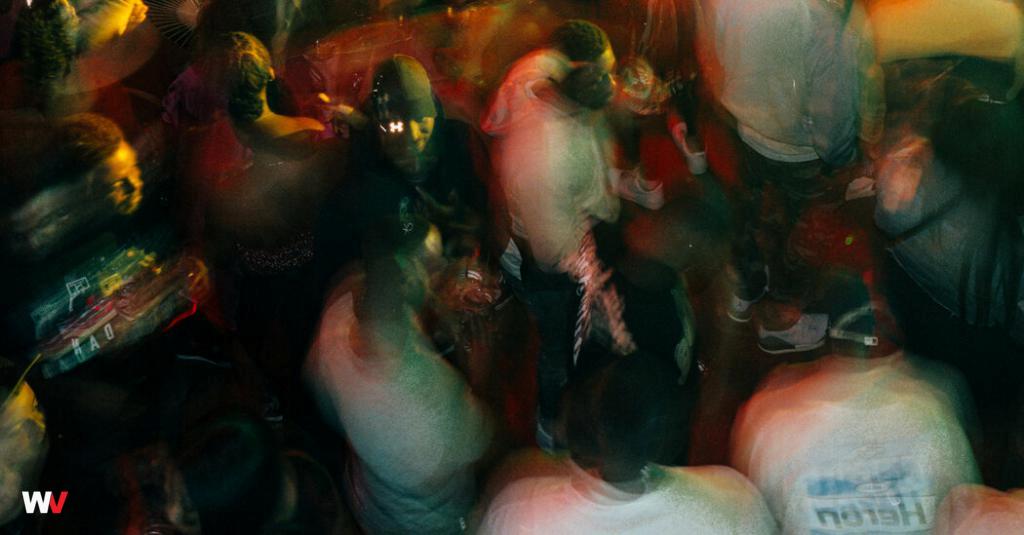
Femi’s title refers to the name of a fictional monthly house party in South London, and this book’s action takes place over the course of a single night. You must be a local, and in the know, to get in; these events are not advertised.
The riotous dancing is, for the attendees, those lucky few, a salve on life’s burn. So is the music itself, of which Femi is a delicate appraiser. He considers his mother’s heartbeat to be his original bass line, and her womb “the first room I danced in.” Femi describes a feeling many of us have had but have not seen so well expressed, that of “hearing a song for the first time” and “realizing that it’s always been playing / in the background of your life.”
“The Wickedest” is a scattering of electricities. The dancing is all impulse and appetite, with a DJ who occasionally breaks in to announce something comic like:
Dancing has been referred to as a vertical manifestation of a horizontal intention. Reading Femi on churning bodies put me in mind of an intentionally dowdy bit of A.R. Ammons’s verse: “Swing! / your partner, / promenade (and when / you can / get laid / get laid).”
The house party is a way to flee the realities of difficult lives, to enter “this secret city of flair.” The reader is made aware of cramped living conditions, of poverty, of “the asbestos of worry.” One character waits for his direct deposit to hit at midnight. Another, while at home, wears AirPods to drown out his uncle’s sobs.





