

Fashion
Why Directors Can’t Quit ‘Nosferatu’
Robert Eggers’s movie is the latest cinematic adaptation of the 1922 F.W. Murnau film, itself an unauthorized adaptation of Bram Stoker’s horror novel.
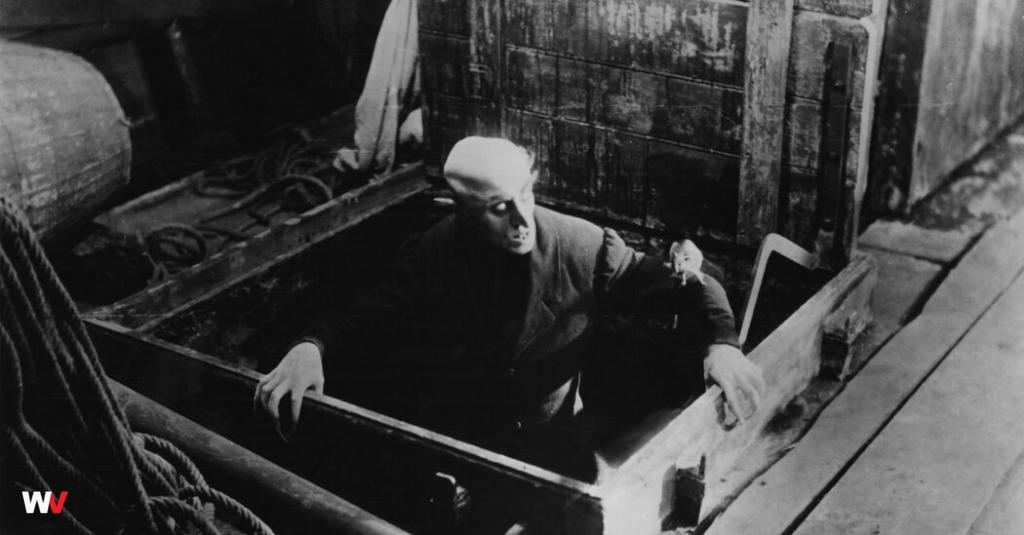
The funny thing is, we’re not even supposed to be able to see the original “Nosferatu.” When the director F.W. Murnau and the producer Albin Grau approached the estate of Bram Stoker, hoping to adapt his seminal horror novel “Dracula” into a feature film in 1921, the author’s widow turned them down flat. Unswayed, the filmmakers went ahead, pressing the screenwriter Henrik Galeen to make a handful of cosmetic changes to obscure their act of plagiarism. When “Nosferatu” was released the following year, the Stoker estate took them to court, kicking off a lengthy international legal battle; the final ruling ordered all copies of the film to be confiscated and destroyed.
Luckily, a few prints survived, and the film was subsequently restored and reappraised as one of the most influential films of the silent era. Its moody cinematography and jolting edits influenced countless horror pictures, as well as two direct remakes, the newest of which hit theaters on Christmas Day. Each iteration of this reconstituted story tells us much about the director behind it, and the cinematic environment in which it was made.
The original “Nosferatu” was a product of the German Expressionist movement. Murnau and Grau, who was also the picture’s production designer, use stylized sets, atypical compositions and dramatic lighting to set the mood and build dread, most famously in the scenes set in the vampire’s dim Transylvania castle, where candlelight casts the count’s distinctive, creeping shadow upon the high stone walls.
His name has been changed from Dracula to Orlok; the other key characters are renamed as well. The real estate solicitor Jonathan Harker has become Thomas Hutter; his fiancée, Mina, is now his wife, Ellen; his employer Renfield, secretly in thrall to the count, is renamed Herr Knock; and the role of the vampire hunter Van Helsing has been reduced and remade into Professor Sievers.
But the broad strokes of the plot remain the same: Hutter is sent to Transylvania by Knock, over Ellen’s objections, for what he believes is the closing of a lucrative real estate deal, but is in fact a plot to lure him there as a sacrifice to the vampire. Orlok is enthralled by a photograph of Ellen, and abandons Hutter so he can travel to Germany to take Ellen as his own; she is haunted by visions of the coming evil, and ultimately sacrifices herself so that Orlok may be killed by the morning sunlight.