Fashion
One of the Most Unpredictable Actresses of the ’70s Is Back From Exile
The actress Jessica Harper was first profiled in The Times on Aug. 19, 1977. The occasion was the release of the Italian horror film “Suspiria,” and much was made of the fact that she had turned down a small role in Woody Allen’s “Annie Hall.” She …
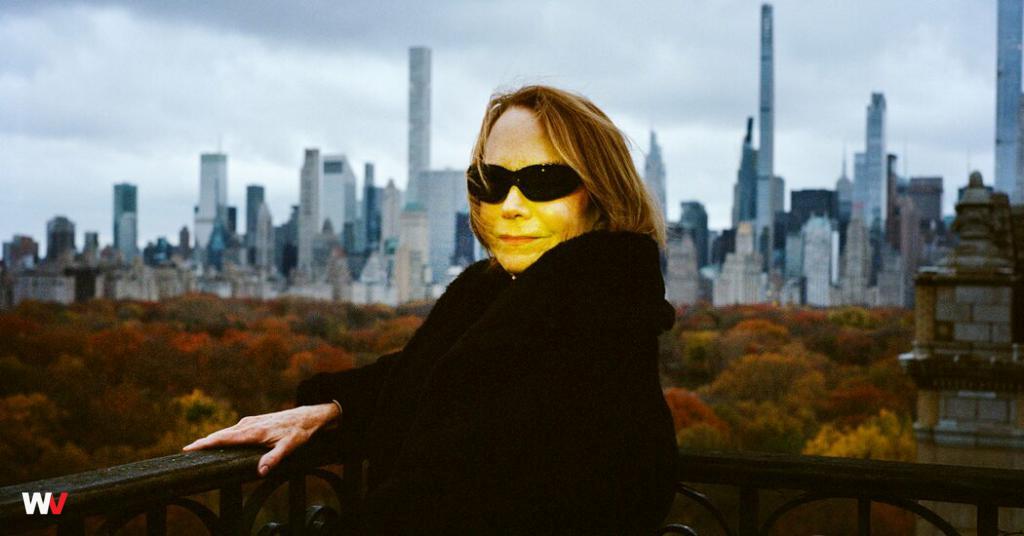
The actress Jessica Harper was first profiled in The Times on Aug. 19, 1977. The occasion was the release of the Italian horror film “Suspiria,” and much was made of the fact that she had turned down a small role in Woody Allen’s “Annie Hall.” She explained, “I would have loved to do ‘Annie Hall’ but this was a big role and it meant going to Rome. I couldn’t pass it up, but I don’t know if it was a wise choice.”
And so, in a video conversation with Harper about her new film, “Nightbitch,” I had the rare opportunity to ask a 47-years-later follow-up question: was it, in fact, a wise choice? “More than wise, it was a brilliant choice,” she said with a laugh. “‘Suspiria’ turned out to be what I think is a gorgeous movie in its genre, and I’m really proud to be in it — and quite amazed, and yet not entirely surprised, by its long, long, long-term success.”
“Suspiria” was a game-changer for Harper twice — first in 1977, when it confirmed her as one of the most charismatic yet unpredictable actors of her generation, and then again in 2018, when Luca Guadagnino remade the film and offered Harper her first major role in a feature film in 16 years. “I felt really lucky to be able to have an opportunity to jump back in,” she said cheerfully, adding, “He’s such a wild, mad, creative person, and I love working with him.” But even more, she was eager to “go back to Italy and step back into bigger features than I had been focusing on for a long time.”
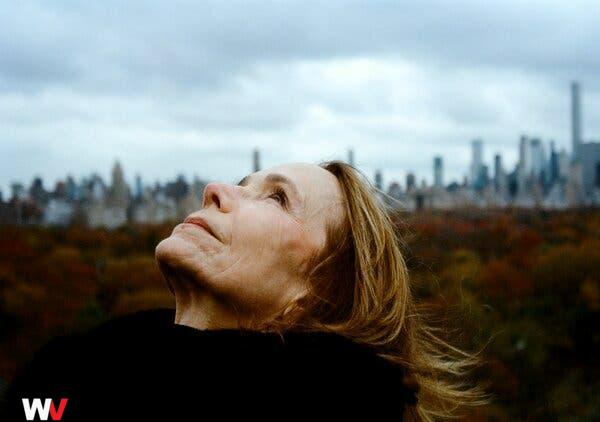
When Harper paused her career, she kept a hand in the arts, writing children’s books and albums of family music.Credit…Luisa Opalesky for The New York Times
Those include “Nightbitch,” about a mother, played by Amy Adams, who finds herself growing feral as she copes with her decision to stay at home with her husband, who’s often absent. Adams, also a producer on the film, said Harper had “this great sort of grounded mysticism that I thought was really beautiful,” explaining that the veteran brought “a wisdom” to the film. She added, “The relationship became very clear when she got onto set. And I always love that, when you’re working with an actor, and you have it on the page, and you’re exploring what that relationship means.”
Harper’s hiatus from the big screen was mostly by choice, stepping out of the spotlight to get married and raise a family, though she took pains to keep her creative muscles in shape. “I wrote a dozen children’s books and created several albums of family music,” she said. “So I found other outlets for creativity.” But she would not have imagined that kind of self-imposed exile when she began acting in 1969, as part of the company of “Hair.”