Science
Nobel Prize in Chemistry Is Awarded to 3 Scientists for Work With Proteins
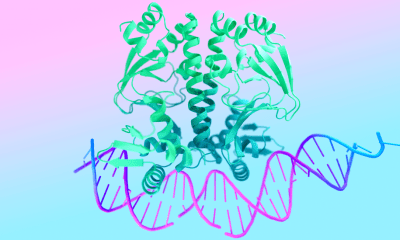
Demis Hassabis and John M. Jumper were part of a Google DeepMind team whose A.I. technology predicts the shape of proteins. David Baker designed “a new protein that was unlike any other,” the committee said.
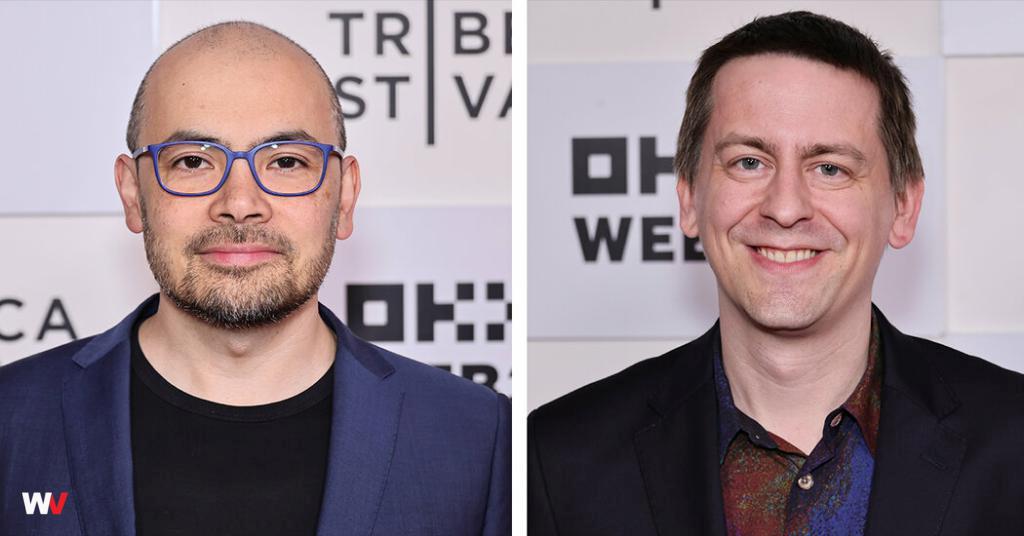
The Nobel Prize in Chemistry was awarded on Wednesday to David Baker at the University of Washington “for computational protein design” and to Demis Hassabis and John M. Jumper of Google DeepMind “for protein structure prediction.”
This year’s prize is about the “chemical tools for life,” the Nobel Committee for Chemistry said in announcing the prize. “Work that once took years now takes just a few minutes thanks to this year’s chemistry laureates.”
Dr. Hassabis and Dr. Jumper, the committee said, have used their A.I. model AlphaFold2 to calculate the structure of all human proteins. The researchers “also predicted the structure of virtually all the 200 million proteins that researchers have so far discovered when mapping Earth’s organisms,” the committee said.
Dr. Hassabis and Dr. Jumper were part of a team at Google DeepMind, the company’s central A.I. lab, that developed a technology called AlphaFold. This A.I. technology can rapidly and reliably predict the physical shape of proteins and enzymes — the microscopic mechanisms that drive the behavior of viruses, bacteria, the human body and all other living things.
Proteins begin as strings of chemical compounds, before twisting and folding into three-dimensional shapes that define what they can and cannot do. Before the arrival of AlphaFold, scientists would spend months or even decades trying to pinpoint the precise shape of individual proteins.
AlphaFold could do the job in a few hours or even a few minutes.
When the Google team unveiled the technology in 2020, many scientists had assumed that such as a breakthrough was still years away. Scientists had struggled for more than 50 years to solve what was called “the protein folding problem.”