General
The U.S. Lost the Battery Race to China. Can It Make a Comeback?
Mateo Jaramillo was giving me his spiel about his battery company when he mentioned, in passing, that the battery was “not super efficient.” Oh. So that’s bad, right? Not in this case, said Jaramillo, the chief executive of Form Energy. Efficiency is …
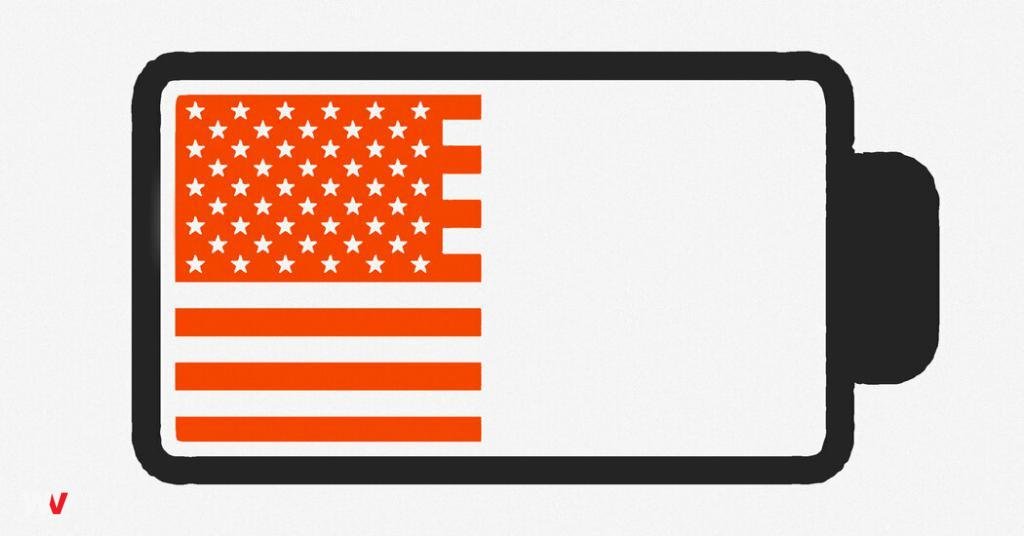
Mateo Jaramillo was giving me his spiel about his battery company when he mentioned, in passing, that the battery was “not super efficient.”
Oh. So that’s bad, right?
Not in this case, said Jaramillo, the chief executive of Form Energy. Efficiency is how much energy you get out of a battery compared with how much you put in when charging it. More efficiency is always nice, of course, but for the market that Form Energy is going after, what’s far more important is keeping down the cost of making the batteries.
There’s no costly lithium in Form Energy’s batteries. Instead, there’s plain old iron, which people have been using since the Iron Age (which ended about 2,600 years ago). Form Energy’s batteries produce electricity when the iron in them rusts. They’re recharged by using electricity to return the rust to iron.
Form Energy’s target markets include electric utilities, which need to store power when it’s plentiful and dribble it out when there’s demand for it. So much wind and solar generating capacity has been installed in some parts of the world that electricity prices in certain markets often go negative: The utilities literally pay customers to take their power because that’s cheaper than shutting down generation.
For utilities, a battery farm that’s cheap to build and soaks up lots of inexpensive, or even negatively priced, electricity for later sale sounds like a great deal, even if it’s bulky and inefficient. Form Energy broke ground in August on its first commercial project, for Great River Energy, a nonprofit electricity cooperative in Minnesota.
There probably will never be an iron-air battery in a cellphone or electric vehicle, but Form Energy isn’t trying to conquer every niche. As the English say, horses for courses.