
General
Rebecca Horn, Enigmatic Artist With Theatrical Flair, Dies at 80
Her work in sculpture, performance, film and more didn’t represent anything in particular so much as it evoked an experience.
Rebecca Horn, an artist who channeled theatrical flair, a distinctive if paradoxically self-serious sense of humor and an undertone of dread into sculpture, performance, drawing, poetry and film, died on Sept. 6 at her home in Bad König, Germany. She was 80.
Her gallerist in New York, Sean Kelly, confirmed her death, saying her health had been in decline since she had a stroke in 2015.
One of Ms. Horn’s best known pieces was “Einhorn,” or “Unicorn” (1970), which she conceived while she was at art school in Hamburg. At once a sculpture, a costume, a performance and, perhaps not least, a jokey but suggestive play on the artist’s own name, it comprised a straight white wooden horn with a flared base connected to a white fabric harness. Ms. Horn once persuaded a tall female classmate to spend the day walking through the countryside wearing the horn and harness and nothing else.
In an interview that appeared in the catalog for her 1993 survey at the Guggenheim Museum in New York, Ms. Horn recalled that two hunters passing by the performance on bicycles “literally fell off in disbelief.”
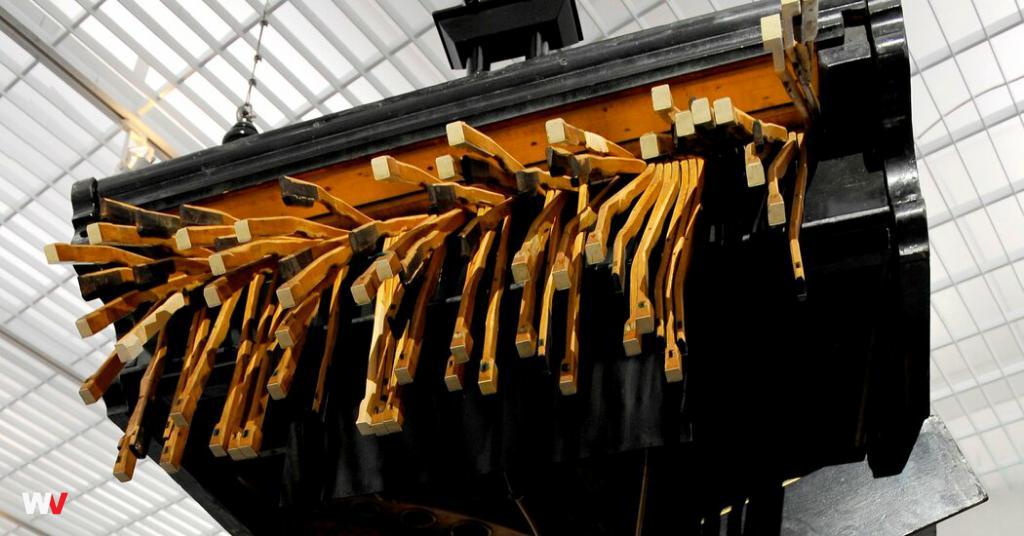
After “Unicorn,” Ms. Horn made other surreal, unnerving body-modification sculptures, like a pair of extended balsa-wood “Finger Gloves”; masks made of feathers; and a B.D.S.M.-style mask covered in pencils. She made kinetic sculptures, like an apparently exploding upside-down piano (“Concert for Anarchy”); directed feature films, including a comedy, starring Donald Sutherland, about a woman obsessed with Buster Keaton (“Buster’s Bedroom,” 1991); produced stylish constructions of mirrors and twigs; and made wistful, abstract mixed-media drawings.