

Entertainment
The Book That Prepared This Veteran Editor for a Literary Life
A 1966 novel captures a publishing world full of chronic malcontents, strategic lunches and ideas that mattered.
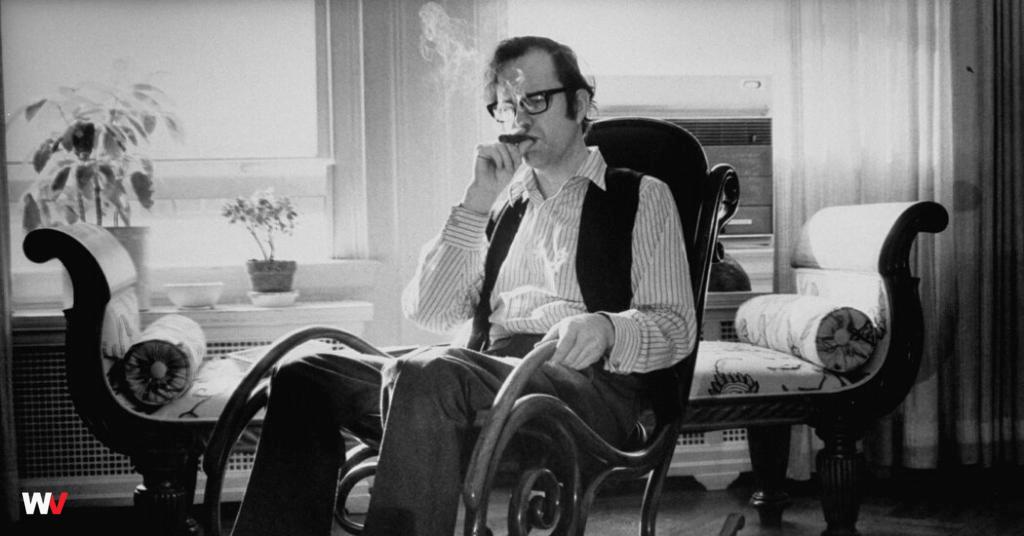
I’ve read Wilfrid Sheed’s novel OFFICE POLITICS (McNally Editions, 300 pp., paperback, $18)three times in my life, at three very different stages and with three very different takeaways.
My first reading was sometime around 1974. I was two years out of college, an English major and damned unhappy to have been ejected into a world that had little use for my fully stocked and well-trained — or so I told myself — literary mind. Employed in a grimly uninteresting job at a large advertising agency, I compensated by latching onto figures who seemed to be avatars (looking at you, George Plimpton) of the suavely civilized New York literary world.
The figure I fell for the hardest was Wilfrid Sheed (1930-2011), who at the time was writing a column for The New York Times Book Review and,from my worm’s-eye perspective, was dialed into the Quality Lit scene. He wrote about the Mailers and Hellers and Roths and Updikes and Vonneguts with an easy familiarity that suggested he’d just gotten off the phone with them, and the Connollys and the Waughs and the Greenes as if they’d all chummed around together at Oxford.
This led me to his novels, which are invariably called witty, though wry, dry and urbane are closer to the mark. It was “Office Politics” (1966) that really stuck with me. Encompassing a year in the none-too-robust life of a low-circulation magazine called The Outsider, the novel reads like a “Game of Thrones” among warring cubicles, or an extremely low-stakes version of “Succession.” Sheed’s prefatory disclaimer that “The Outsiderresembles no magazine living or dead” is about as disingenuous as disclaimers get. The New Leader, Commonweal, The Nation, Encounter, The New York Review of Books, Dissent, The New Republic, Commentary and Partisan Review all spring to mind as likely models — high-minded publications that used to be printed on ink-bleeding newsprint or fingertip-lacerating butcher paper.
This “broken-down opinion machine,” as The Outsider’s most junior editor perceives it, is presided over with silky interpersonal manipulation by its editor in chief, Gilbert Twining, a handsome British expat and smooth operator. Their cramped and shabby Manhattan officeis a veritable petri dish for all manner of rivalries, resentments and thwarted ambitions. As Twining cheerfully explains to his office manager: “The best magazines are all produced by chronic malcontents. Take away the note of hysteria and discomfort and what have you got?”
The junior editor is George Wren, who at first adopts a stance of amused detachment. But as Twining, over a series of lunches and boozy after-work tête-à-têtes, draws him deeper into his own paranoias and peccadilloes, Wren discovers that “the game, as game, was getting a stronger grip on him.”