Entertainment
An Oral History of Second-Wave Feminism Makes Its Case With Style
In “The Movement,” Clara Bingham captures the years 1963-73 in the voices of the women who lived it.
THE MOVEMENT: How Women’s Liberation Transformed America 1963-1973,by Clara Bingham
It’s a common stereotype about second-wave feminism: all anger and no joy. When the syndicated columnist James J. Kilpatrick snidely reviewed the inaugural issue of Ms. magazine, he likened the reading experience to “looking at the slides of carcinoma in a cancer magazine” and accused both Ms. and its staff of being petulant and bitchy, not to mention whiny and self-pitying.
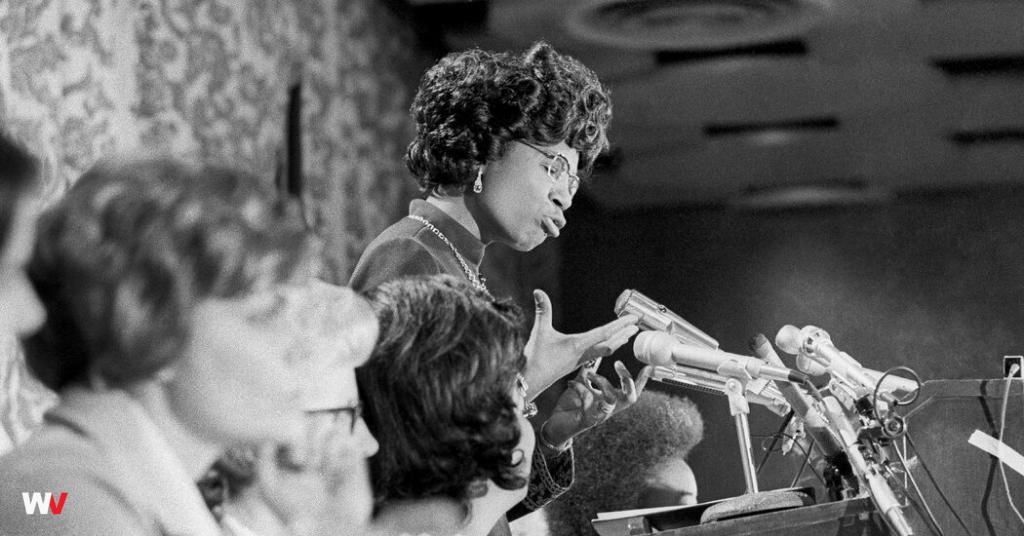
And yet, “The Movement,” a 559-page oral history of that era in women’s liberation, is rollicking good fun. In fact, as the veteran journalist Clara Bingham demonstrates in this deftly arranged collection of remembrances, anecdotes, explications and arguments, the 10 years leading up to the Roe v. Wade decision were downright exhilarating. In addition to the book’s first-person narratives, Bingham peppers it with contemporary documents — advertisements, quotes from newspaper and magazine articles — to underscore the challenges faced by American women generally, as well as those who were active participants in the movement.
An oral history can be difficult to review; the reader doesn’t know what was excluded or why, and can only guess what is behind the thinking of the editor (and, in this case, interviewer). How might the outtakes have changed the meaning of this book? At its most effective, a book like this one can imbue history, however recent, with energy and continued relevance. (Full disclosure: I was probably going to be interested in this book regardless; my godmother, Anna Arnold Hedgeman, was one of the founders of the National Organization for Women.)
But Bingham’s curation is historically astute. It gives credit where credit is due and correctly contextualizes second-wave feminism as a direct outgrowth of the civil rights movement. Not only did the latter inspire activists by agitating for the rights of Black Americans, but it also served as a practical training ground for many who would later spearhead progressive efforts on behalf of American women.
Bingham is committed to reinforcing these connections — with special attention to the Student Nonviolent Coordinating Committee (SNCC) — and her speakers recount, too, how civil rights leaders’ frequent disregard for female contributions served to radicalize many women. This was crucial; it prepared them for fights not only with their ideological rivals, but also with their supposed allies.