Entertainment
The Woman Who Beat the Boys of the French New Wave to the Punch
A COMPLICATED PASSION: The Life and Work of Agnès Varda, by Carrie Rickey The French filmmaker Agnès Varda, who died in 2019 at the age of 90, was so revered that her final decade was one long victory lap of honorary awards, retrospectives and …
A COMPLICATED PASSION: The Life and Work of Agnès Varda, by Carrie Rickey
The French filmmaker Agnès Varda, who died in 2019 at the age of 90, was so revered that her final decade was one long victory lap of honorary awards, retrospectives and interviews. Even she grew tired of hearing about herself. “No. No! It’s enough! I’m not a religion. I’m still alive,” she said onstage, after a particularly fulsome introduction.
Varda despised being a living legend, except for when she loved it, which was more often. Who would not feel similarly? The sheer length of her career accounted for some of the awe.
Her movies included a classic of the French New Wave, “Cléo From 5 to 7” (1962), and “Vagabond” (1985), her masterpiece, which flashes back over the life of a young woman, a hitchhiking outsider, who is found dead in a ditch at the movie’s start.
Her justly lionized documentary, “The Gleaners and I” (2000), was about France’s rural poor and foragers of many varieties. Varda narrated and appeared in that indelible movie, the way Michael Moore did in “Roger and Me.”
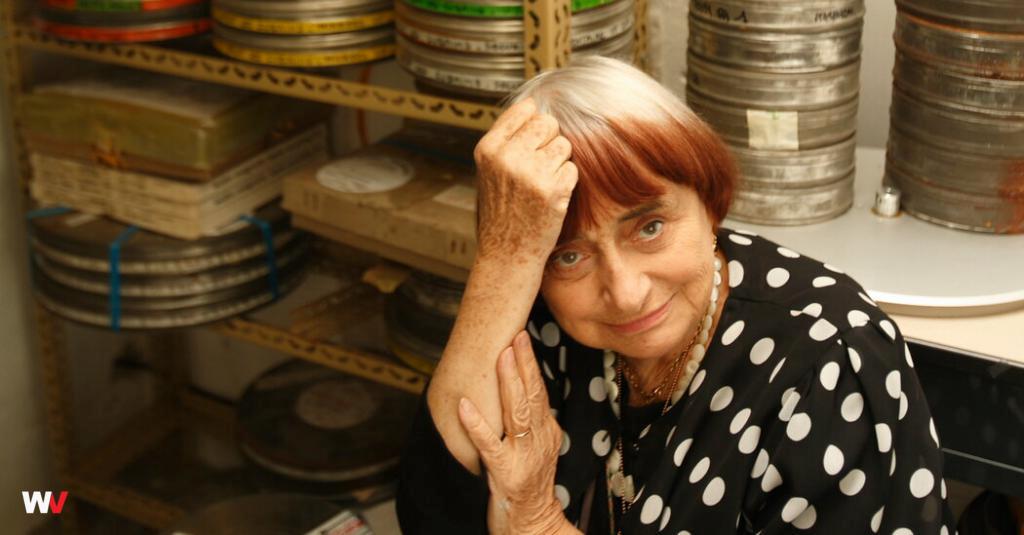
With her bobbed hair, her diminutive stature (Varda was barely five feet tall), her mischievous manner and her noncondescending way of interacting with her subjects — one all interviewers should study — she made an outsize impression. More than a few people left the theater half in love with her.
The film critic Carrie Rickey, in her compact new biography, “A Complicated Passion,” delivers perceptive readings of Varda’s movies, and she charts how Varda had to scramble, in a male-dominated film world, to get them made.