

Fashion
Before Bum Bum Cream, 80 Years of Teen Beauty Trends
Youth might be wasted on the young, but beauty trends rarely miss them. While a spate of recent headlines have centered on the “Sephora teens” who run like wolf packs through the aisles of the personal-care retailer, snapping up rarefied lotions and …
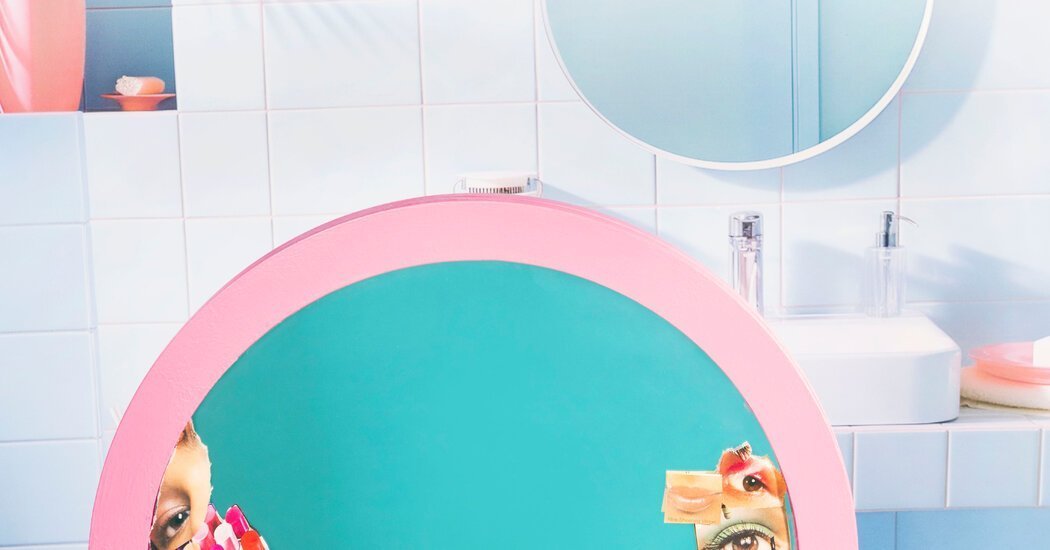
Youth might be wasted on the young, but beauty trends rarely miss them. While a spate of recent headlines have centered on the “Sephora teens” who run like wolf packs through the aisles of the personal-care retailer, snapping up rarefied lotions and lash-growth serums, the adolescent urge for transformation is hardly new.
The concept of teenagers as their own distinct marketing demographic first emerged during the postwar boom of the 1940s, though for many years the products catering to them remained relatively modest: a pink froth of bubble bath, a smattering of Lip Smacker lip balm.
This year, the global beauty industry is projected to generate more than $600 billion in revenue, with an 8 percent rise among teen and tween consumers alone. (Whether a 12-year-old actually needs a “visibly firming,” $48 Brazilian Bum Bum Cream is another story.) Below, a partial look back at the last eight-plus decades of shimmer sticks and zeitgeist shifts.
1940s
The start of Seventeen, and a democratic lipstick

Founded by a Long Island pharmacist in the 1920s, Tangee had become one of the more popular American cosmetic lines for both teens and adult women by the 1940s.Credit…Elizabeth Renstrom for The New York Times
The debut of Seventeen magazine in 1944 helped to promote a fresh-faced glow via products such as Pond’s Angel Face Powder and growing brands like Tangee,whose best-selling lipstick contained a fluorescein dye that changed color upon skin contact to uniquely suit the wearer, or so the company claimed. (Though its relevance faded by the late ’60s, you can still find the line’s signature shade today at The Vermont Country Store, following a 2002 revival.)
Also emerging around this time: The popularity of miniature products — known as “ten-cent sizes” and initially sold as samples — as a boon to girls with little experience and limited money to spend.





